

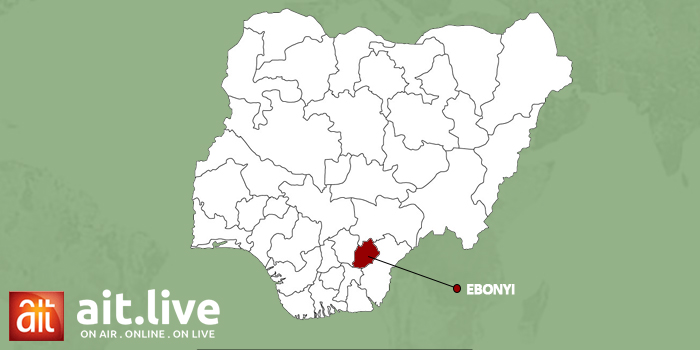
Ebonyi State in South East Nigeria is one of the 36 States in the country
The 2024 prediction of the Nigerian Meteorological Agency (NIMET) that 148 of the 774 Local Government areas across the 36 States of Nigeria are prone to suffer flooding this year is raising concerns among rural famers in Ebonyi State, South East Nigeria.
Ebonyi, a predominantly rural agrarian State has a significant history of devastating floodings that destroyed farmlands and homes, especially in the rural communities where commercial and subsistence farming is practised
According to the Nigerian Meteorological Agency, NIMET and the Nigeria Hydrological Services Agency, NIHSA, there will be flooding in parts of Nigeria from April to November, across 148 local government areas of the country’s 36 States.
Overtime, citizens in affected areas have had to grapple with the impacts of this predictable climate change, especially the devastating effects of floodings on the livelihoods of communities along the waterways.
Locals in flood prone communities of Onuebonyi, Izzi Local Government Area narrate the deep toll previous devastating floodings have had on their farmlands, resulting in low yields.
Marvelous Okwali, a peasant farmer and mother of four, tells air.live her ugly experience of how the 2023 floodings washed away her small piece of land which she cultivated for a living and to carter for her family.
The story of Samuel Iroko, a young farmer who specializes in cucumber cultivation, is even more depressing, as he expresses fears over the 2024 NIMET flood prediction.
The authorities in Ebonyi State are assuring the people that there’s not much to worry,.noting that government has made some interventions in areas of high risks, but urge citizens to desist from cultivating in flood prone areas.
As farmers return to farms for the 2024 season, expectations are high that government at all levels will take necessary measures and actions through proper channeling and opening up of waterways for the free flow of flood waters into River banks, thereby mitigating its impacts.
Editor : Ena Agbanoma