

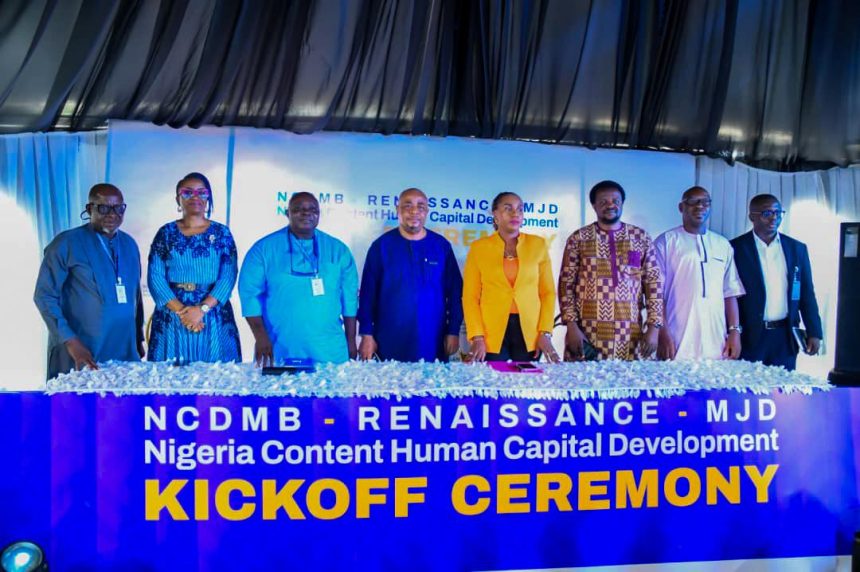
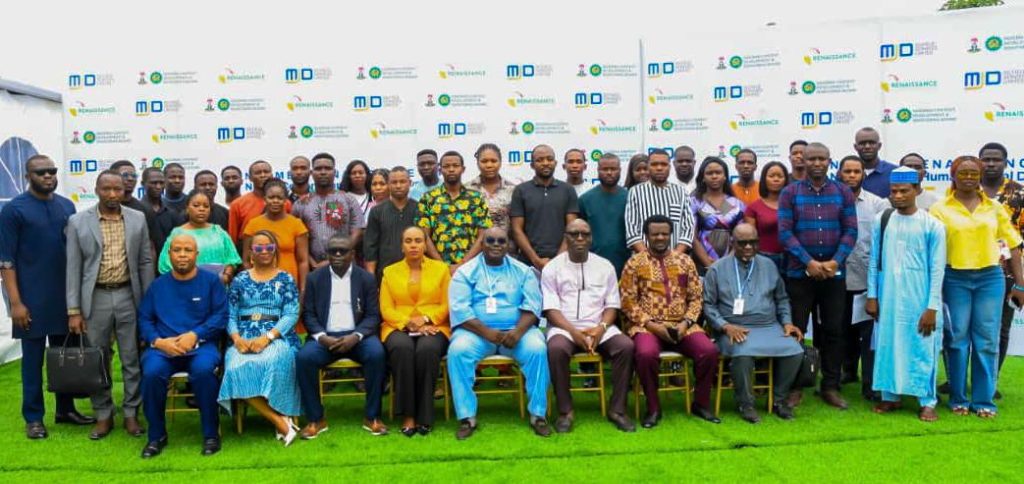
Thirty-three young Nigerian graduates of engineering, geology and related disciplines have begun a specialised 12-month training programme designed to build technical expertise in pipeline engineering, corrosion control and monitoring.
The programme, organised under the Nigerian Content Human Capital Development Training Programme, in Port Harcourt, Rivers State, is a collaboration between Renaissance Africa Energy Company, MJD Oilfield Services, and the Nigerian Content Development and Monitoring Board (NCDMB).
The initiative is aimed at strengthening Nigeria’s local capacity in protecting and maintaining the country’s extensive pipeline network.

Participants will undergo intensive classroom sessions, simulation-based learning, field demonstrations and on-the-job training.
Speaking at the opening ceremony, Manager of Human Capital Development at the NCDMB, Tarilate Bribena-Teide, who represented the Board’s Executive Secretary, Felix Ogbe emphasised the importance of specialised skills such as pipeline pigging and corrosion control.
She explained that pipeline pigging, using devices known as pigs to clean and inspect pipelines, helps ensure system integrity, prevent costly failures and protect both the environment and the economy.
Also speaking at the event,
Funso Alabi representing Renaissance Africa Energy Company, commended the Board for its role in strengthening Nigerian participation in the oil and gas sector and building local technical capacity.
The Managing Director of MJD Oilfield Services, Olayemi Familusi noted that reforms driven by the Board have significantly transformed the industry, especially in the growth of indigenous companies and skilled manpower.
Project Manager at MJD, Austin Ugbunaia assured partners that the trainees would receive quality instruction and practical exposure needed to meet industry demands.
The initiative is expected to create a new pool of highly skilled pipeline integrity specialists, strengthening Nigeria’s capacity to protect critical energy infrastructure while deepening local participation in the oil and gas industry.
(Editor: Nkoli Omhoudu)