
As Nigerians grapple with severe economic downturn, exacerbated by soaring food prices, residents of Enugu State, South-East Nigeria, face additional challenges with the contentious estimated electricity billing system.
Affected electricity consumers are voicing out their frustrations and discontent with the Enugu Electricity Distribution Company, EEDC for what they perceive as unfair and unjust treatment.
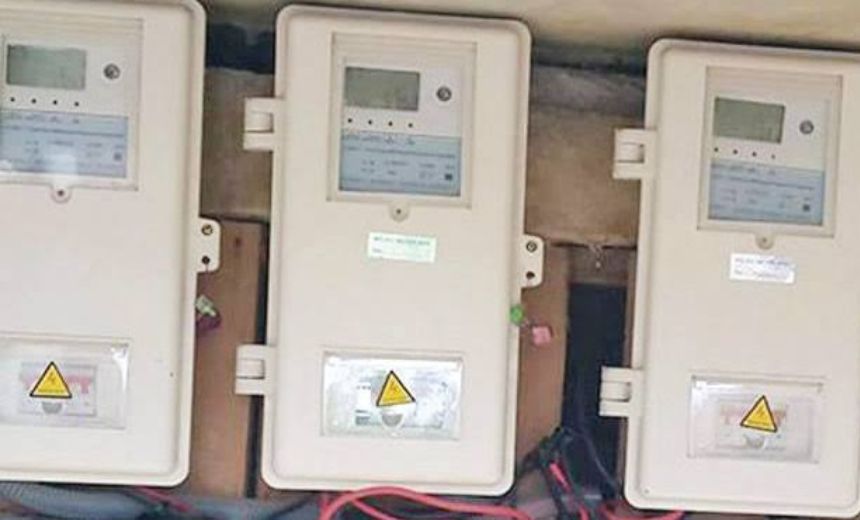
Many residents in Enugu State find themselves without prepaid meters, compelling them to navigate the complexities of estimated billing system of the sole energy distributor in the area.
This system has become a source of contention, with consumers reportedly receiving inflated bills that do not align with their actual electricity consumption or the reliability of the service provided.
The financial strain resulting from these discrepancies is palpable, as highlighted by Okoro Ubah, who runs a local laundry shop. His small-scale business is adversely affected by consistently rising high bills demanded by EEDC even when there was no commensurate power supply within the billing circle.
It is the same stories of frustrations by Chukwuejekwu, a generator repairer, and Favour, a hgh school student in the city. They share their experiences of grappling with exorbitant electricity bills, reflecting the widespread discontent among consumers.
Despite a preference for metered billing, accessing prepaid metres remain a significant challenge for EEDC customers in Enugu State, leaving them with little choice but to rely on the estimated billing.
Allegations by residents suggest that EEDC may be resorting to estimated billing as a means to offset revenue shortfalls, particularly from prepaid metre users who purportedly consume less electricity.
EEDC Head of Corporate Communications, Emeka Ezeh however affirms the company’s commitment to transparent metre distribution and billing practices, emphasising the regulatory oversight by bodies such as the Nigerian Electricity Regulatory Commission, NERC.
While acknowledging the potential for errors in the estimated billing system, Ezeh encourages aggrieved consumers to utilise customer service channels for redress.
Efforts to seek clarifications from NERC officials in Enugu hit a bricks wall with enquiries redirected to their headquarters in Abuja. Consumers are expressing frustrations with NERC’s complaint process, citing its complexity and inefficiency in addressing their grievances.
The situation in Enugu speaks to the need for more reforms in electricity billing practices, improved access to prepaid metres and enhanced regulatory oversight, not only within the state but across Nigeria.
(Editor: Terverr Tyav)