


The United Nations Children’s Fund (UNICEF) wants the Nigerian government, development partners, and the international community to take decisive actions to address both the symptoms and the root causes of kidnapping of school children in Northern Nigeria, with a view to protecting the country’s most vulnerable population.
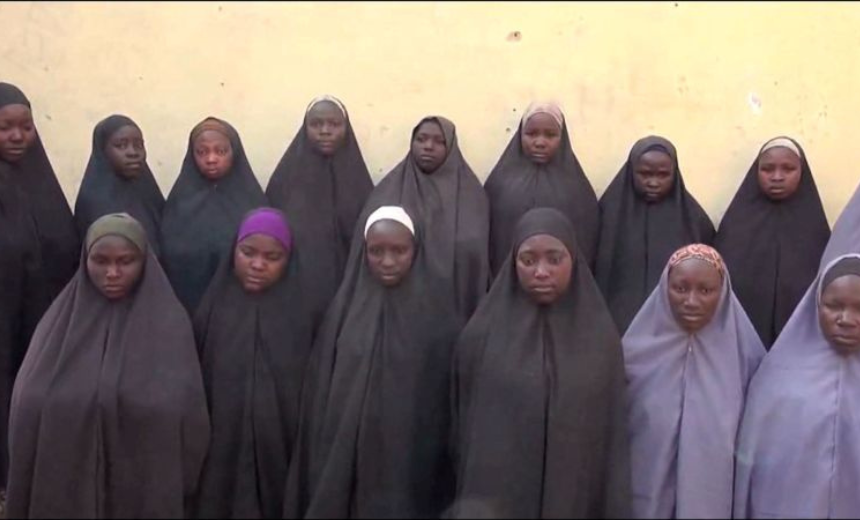
In a statement made available to Journalists in Bauchi, UNICEF noted that the kidnapping of the Chibok girls ten years ago, has brought to the fore the severe risks children in Nigeria face in their pursuit of education.
UNICEF Representative in Nigeria, Cristian Munduate, while reflecting on that Chibok school girls tragedy and other recent abductions, said it is evident that efforts to safeguard children’s futures must be amplified.
UNICEF expressed concerns that too many Nigerian children are being denied the opportunity to get good education which is a fundamental right and a crucial pathway out of poverty.
The statement by UNICEF indicated that the ‘Minimum Standards for Safe Schools (MSSS) Monitoring Report,’ revealed a stark reality that the journey towards ensuring that every Nigerian child can learn in a safe environment was far from over.
The report also shows that only 37% of schools across 10 States in Nigeria have early warning systems in place to identify threats such as school attacks.
ait.live recalls that while 90 of the Chibok school girls who were abducted in 2014 still remain in the Boko Haram captivity 10 years after, there have been many other incidents, including the Kaduna school children kidnap in March this year.
Editor: Ken Eseni