
In a bid to increase quality and standards, the Nigerian government has unveiled a policy on non-state schools, aimed at outlining clear guidelines for infrastructure, teacher quality, curriculum delivery, and stronger accountability measures.
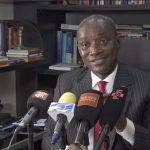
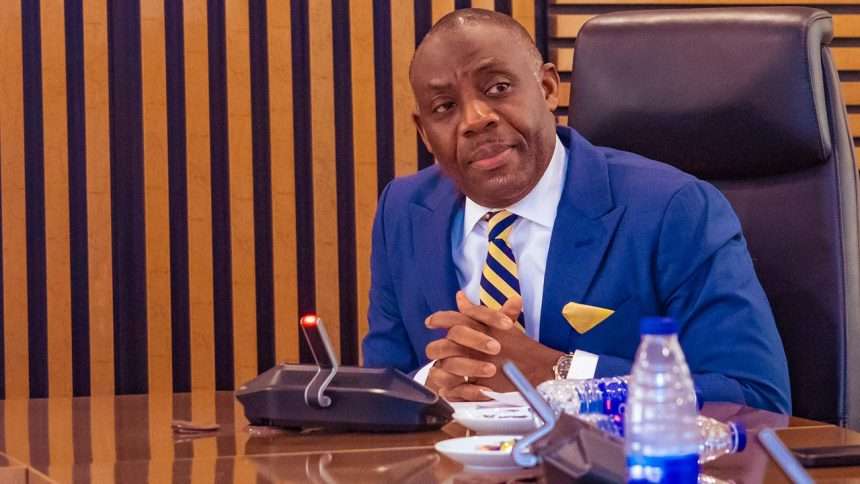
The Minister of Education, Tunji Alausa, who did the unveiling in Abuja, said the government has also created incentives for non-state schools enrolling out-of-school children among other education support activities.
Alausa said the policy was part of Tunji Alausa,s broader National Education Sector Renewal Initiative ,NESRI, which prioritises education as a cornerstone of national development, as he emphasised on the crucial role non-state schools have to keep playing in meeting Nigeria’s growing demand for Education
The minister said data has shown that between 2017 and 2022, the number of non-state schools grew by approximately 39 per cent, compared to much lower growth rates for government-run primary and junior secondary schools, which expanded by only 3.5 per cent and 6.3 per cent.
Alausa also announced practical support and incentives for private school operators, among which are indirect reimbursement for enrolling out-of-school children, with implementation targeted for the 2025–2026 school session.
Also, he said direct grants and vouchers through the Universal Basic Education Commission, UBEC to support privately owned early childhood development centres would be granted to non-state schools.
Also speaking, the Senior Education Adviser, British Council, Ian Attfield, commended Nigeria for taking critical steps to address the needs of millions of learners underserved by the public system.
MUST READ:Over 10 million Primary School Age Children Out of School in Nigeria – UNICEF
He said that alternative forms of schooling emerge organically, saying that over the last 30 to 40 years, Nigeria’s explosive urban growth of cities like Lagos, which had 250,000 residents in 1960 and now exceeds 15 million, has far outpaced the expansion of public education.
The Registrar, Teachers Registration Council of Nigeria (TRCN), Ronke Soyombo, stated that a survey carried out by the council showed that over 85 per cent of persons in the teaching profession are not registered.
Soyombo said with such a policy, non-state school teachers would now be registered, certified, and licensed by the TRCN.
According to the policy, the Non-state schools include faith-based schools, private schools, home schooling, tutorial or adult learning centres, voluntary or charity schools, and community schools.
(Editor : Ena Agbanoma)