


Groups under the Organised Private Sector of Nigeria, OPSN, have rejected moves by the Senate to amend the Nigeria Social Insurance Trust Fund, NSITF, Act, describing it as a dangerous attempt to hijack and politicise the management of workers’ social protection funds.
The organised private sector members which include the Manufacturers Association of Nigeria, MAN; the Nigeria Association of Chambers of Commerce, Industry, Mines and Agriculture, NACCIMA; the Nigeria Employers’ Consultative Association, NECA; the Nigeria Association of Small and Medium Enterprises, NASME; and the Nigeria Association of Small Scale Industrialists, NASSI, warned that the amendment threatens transparency, accountability and the very foundation of the Fund’s governance structure.
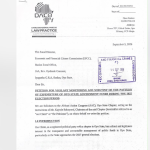
The OPSN in a letter to President of the Senate, Godswill Akpabio, signed by the Directors-General of the five member-organisations, urged the lawmakers to immediately halt the legislative process, which has already passed second reading, insisting that the proposed changes would undermine the NSITF’s tripartite structure and violate international labour standards.
The letter reminded the President of the Senate
that, the NSITF was founded on a tripartite structure, representing Government, Employers, and Labour, in strict alignment with International Labour Organisation, ILO, Convention 102 on Social Security, Minimum Standards, Convention 144 on Tripartite Consultation, and Convention 87 on Freedom of Association and Protection of the Right to Organise.
MUST READ: National Census: Population Commission, NSITF Partner On Effective Service Delivery
The OPSN noted that these Conventions, which Nigeria has ratified, require that social security institutions be managed with the full and effective participation of social partners, ensuring that the interests of both contributors and beneficiaries are protected from political or unilateral government control.
AIT.live gathered that the proposed amendment of NSITF Act, seeks to reduce the representation and influence of employers and workers, who are the main contributors and beneficiaries of the Fund, while increasing government control through political appointments.
It added that such an approach is not only contrary to the spirit and letter of the ILO Conventions but also undermines the principles of good governance, transparency, and accountability that are essential for the effective management of social security funds.
Furthermore, The ILO’s Recommendation 202 on Social Protection Floors further underscores the need for participatory, transparent, and accountable governance in social protection systems, warning against the dangers of politicisation and lack of stakeholder involvement.
OPSN noted that the NSITF Management Board, as currently constituted, serves as the trustee and conscience of the Fund by ensuring prudent and transparent management of contributors resources.
The NSITF is the 1% contributions of workers net pay, which is used to support injured and dead workers in the course of their work.
(Editor: Terverr Tyav)