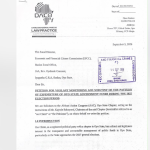
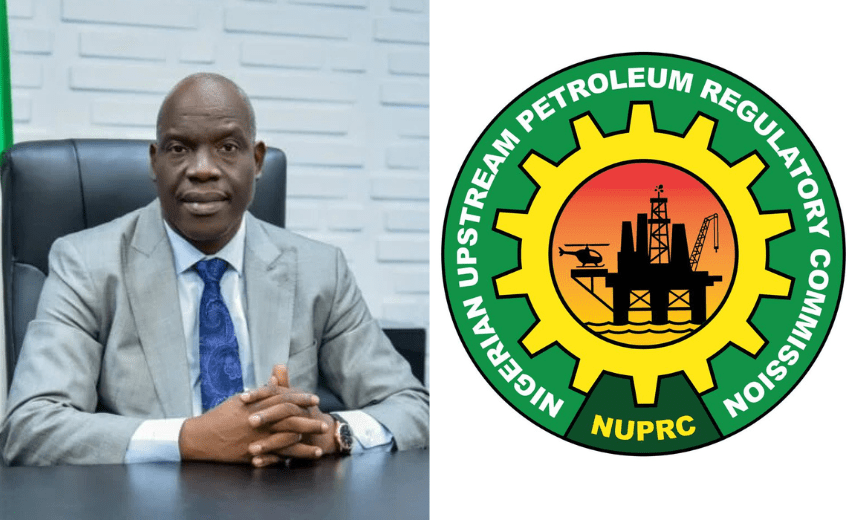
The Energy Accountability and Governance Network (EAGN) has commended Engr. Gbenga Komolafe, the former chief executive officer of the Nigerian Upstream Petroleum Regulatory Commission (NUPRC), for the agency’s top ranking in the Independent Corrupt Practices and Other Related Offences Commission (ICPC) 2025 integrity report, describing the outcome as a vindication of his leadership and commitment to transparency.
In a statement issued on Wednesday, the oil sector accountability group said the NUPRC’s emergence as the highest-ranked agency among 357 ministries, departments and agencies (MDAs) assessed underscored the strength of the internal governance framework established under Komolafe’s stewardship.
The ICPC, in its ethics and integrity compliance scorecard (EICS) report, listed 13 MDAs as “high corruption risk” after evaluating organisational policies, internal controls, and compliance with statutory requirements.
The NUPRC ranked first with a score of 91.83, ahead of the Nigeria Deposit Insurance Corporation (NDIC) and the Asset Management Corporation of Nigeria (AMCON).
EAGN said the performance reflected years of deliberate reforms aimed at strengthening institutional discipline, improving transparency, and aligning upstream petroleum regulation with global best practices.
“The ICPC ranking is not accidental. It is the product of a leadership that prioritised accountability, process integrity and compliance with the law,” the statement, signed by its executive director, Dr Abdulrahman Sadiq, reads.
According to the group, Komolafe’s tenure was marked by the introduction of robust compliance systems, strengthened internal audit mechanisms, and clear separation between regulatory authority and discretionary influence.
“This result effectively validates Engr. Komolafe’s leadership ethos and rebuts claims that sought to portray the NUPRC as lacking transparency. Independent assessments such as the ICPC’s provide objective evidence of how institutions are run,” Sadiq said.
The group noted that the integrity ranking also enhances Nigeria’s credibility with international investors, particularly in the upstream oil and gas sector where regulatory certainty and ethical governance are critical to long-term investment decisions.
EAGN urged the current leadership of the NUPRC to sustain the governance standards that earned the commission its top position, warning that institutional backsliding could erode investor confidence and weaken regulatory effectiveness.
“It is important that the current management preserves the integrity systems already in place. The upstream petroleum sector requires a strong, transparent regulator to support revenue optimisation and long-term sector stability,” Sodiq said.
The ICPC said the EICS, complemented by the anti-corruption and transparency units effectiveness index, was designed to promote ethical conduct across MDAs, strengthen oversight, and provide a benchmark for public sector accountability.