
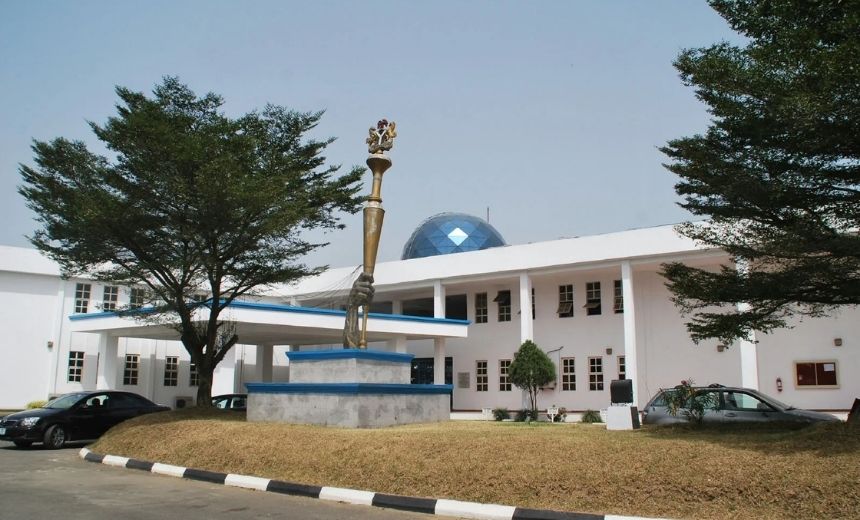
The Rivers State House of Assembly has voted to launch an investigation into allegations of gross misconduct against Governor Siminalayi Fubara and his deputy, Professor Ngozi Odu.
The decision follows rising political tensions in the state and could mark a significant turning point in the ongoing power struggle within Rivers politics and could mark the beginning of impeachment proceedings against Governor Fubara.
Today the state house of assembly has launched an investigation into allegations of gross misconduct against Governor Fubara and his deputy, Professor Ngozi Odu.
And the decision was unanimously passed in the chambers, despite news earlier in the week, that some members no longer supported the move.
The resolution was unanimously passed during a plenary session of the House, despite news earlier in the week, that some members no longer supported the move.
Today, the lawmakers invoked constitutional provisions that empower the legislature to investigate and, where necessary, initiate impeachment proceedings against a sitting governor and deputy.
According to the Assembly, the allegations centre on claims of constitutional breaches, abuse of office, and actions considered incompatible with the responsibilities of the executive arm of government.
Following the vote, the House is expected to constitute an investigative panel, which will be mandated to examine the allegations and report its findings within a stipulated timeframe, in line with the 1999 Constitution of the Federal Republic of Nigeria.
MUST READ: Just IN… Rivers Assembly requests State CJ to set up impeachment allegations probe panel
Neither Governor Fubara nor his deputy has been formally removed from office, and the investigation marks only the first step in a lengthy constitutional process.
The latest development is the culmination of months of political tension in Rivers State, largely stemming from a power struggle between Governor Fubara and factions within the State House of Assembly.
The crisis escalated in late 2023 following disagreements over legislative leadership, budgetary processes, and the governor’s relationship with his predecessor and political godfather, former Governor Nyesom Wike.
At the height of the conflict, the Assembly complex was damaged by fire, lawmakers became divided into rival factions, and governance in the state was repeatedly disrupted by legal and political battles.
Although several attempts at reconciliation were made, including interventions by national party leaders and the presidency, tensions have persisted, leading to the current move by the Assembly to initiate a formal investigation.
Political observers say the outcome of the investigation could have far-reaching implications for governance and stability in Rivers State.
For now, all eyes remain on the State House of Assembly as the process unfolds.
(Editor: Ebuwa Omo-Osagie)