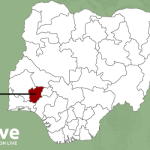


The National Judicial Commission (NJC) has given approval for the appointment of four new High Court Judges and Six Khadis in the service of the Niger State Judiciary.
The appointment of the four High Court Judges in Niger State brings the number of High Court Judges in Niger to a total of seventeen, which is said to be inadequate.
Eight applicants were shortlisted for the appointment; four were appointed, while the remaining four were said to be on the reserve list.
Among the appointed High Court Judges in Niger State are Adamu Abubakar who until his appointment was a director in the service of the Niger State Judiciary and also one time Chief Magistrate in the Service of the state Judiciary, Ahmed Jibrin Ndajiwo, a Chief Magistrate in the FCT Judiciary, Sa’adat Gambo a director Multi-door court division of the state Judiciary and Suleiman Buhari Wushishi a principal state counsel in the office of the Attorney General of Niger State.
Those on the reserved list include Hauwa-Kulu Isah, the Secretary of the Niger State Judicial Service Commission (NSJC), Murtala Bala Ibrahim, a sitting Chief Magistrate at the Niger State Judiciary headquarters, Barrister Isah Evuti a Chief Principal State counsel in the office of the Attorney General of Niger State and Barrister Abdullahi Babani of the Customary Court headquarters in Abuja.
MUST READ: NJC Nominates Court of Appeal Justice Oyewole for Supreme Court, Clears Osun Chief Judge, Reinstates Suspended Appeal Court Justice
The appointment of the senior judicial officers was a sequel to the request made by the Chief Judge of Niger State, Justice Halima Abdulmalik during the 2024/2025 legal year through the governor, Umar Bago.
She had argued that the shortage of Judges in the High Court division of the state Judiciary has affected the speedy dispensation of criminal and civil justice in the state, hence the request for the approval for the appointment of more judges.
Findings revealed that thirteen existing High courts in Niger State are inadequate as three other High courts in Lapai, Kuta, Kutigi, and Rijau are being overseen without substantive presiding Judges.
The newly appointed high court Judges were subjected to vigorous screenings before their appointment, even as the CJN requested petitions from the public to attest to the integrity and otherwise of the applicants.
(Editor: Roluke Ogundele)