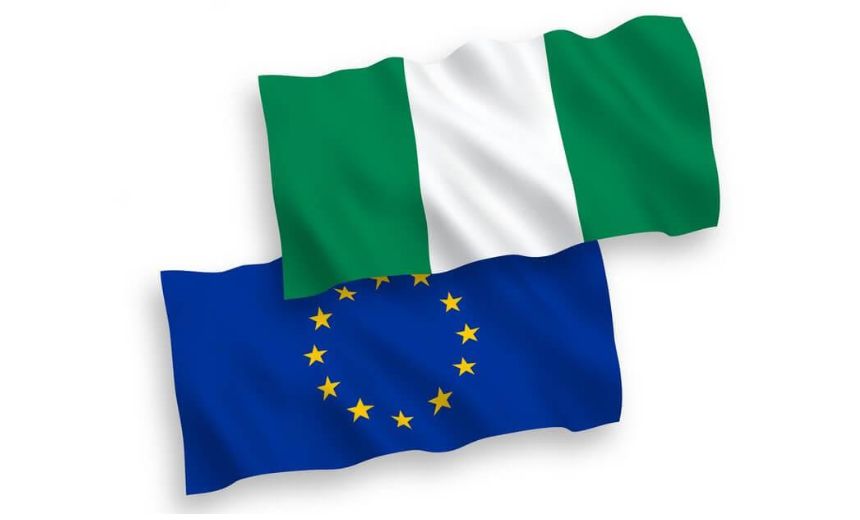
Nigeria’s North-West has been identified as a priority focus as the European Union announces a €1.9 billion humanitarian aid budget for 2026, with €557 million earmarked for African countries.
The funding package, unveiled by the European Commission, excludes a separate €14.6 million allocation for North Africa. Details were outlined in a statement released on Wednesday and made available to AIT.
The EU said the decision comes against the backdrop of escalating global humanitarian needs, with an estimated 239 million people currently requiring assistance, even as contributions from major donors continue to decline.
European Commissioner for Equality, Preparedness and Crisis Management, Hadja Lahbib, is presenting the commitment at the Davos meetings, where she is engaging business leaders and investors to explore innovative financing models that can complement public funding and expand humanitarian reach.
According to the Commission, EU humanitarian support will prioritise life-saving interventions, including emergency food and shelter, essential healthcare, protection for vulnerable populations, and access to education for children affected by conflict and crises.
The EU reaffirmed its commitment to principled humanitarian action, saying it will continue to deliver aid wherever it is most needed, despite growing pressure on international humanitarian law and reduced funding from other donors.
The initial €1.9 billion allocation includes:
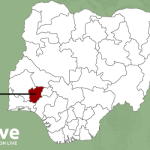
€557 million for West and Central Africa, the Sahel, the Lake Chad Basin, North-West Nigeria, Central and Southern Africa, the Great Lakes region, and the Greater Horn of Africa;
€448 million for the Middle East, including Gaza, as well as Iraq, Yemen, Syria, and Lebanon;
€145 million for Ukraine, with an additional €8 million for Moldova;
€126 million for Afghanistan, Pakistan, and Iran;
€95 million for Central and South America and the Caribbean;
€73 million for Southeast Asia and the Pacific, particularly the Myanmar crisis and its impact on Bangladesh;
€14.6 million for North Africa.
In addition, more than €415 million has been set aside to respond to sudden-onset emergencies worldwide and to maintain a strategic humanitarian supply chain.
The Commission said engagements in Davos are aimed at narrowing the gap between record humanitarian needs and available resources by mobilising private-sector innovation, scale, and alternative financing solutions.
(Editor: Ada Ononye)