

The Sokoto State Government says it is repositioning the state’s economy through wide-ranging institutional and digital reforms aimed at attracting investment, creating jobs, and improving how citizens and businesses interact with government.
The government says the effort is focused on modernising regulations, simplifying procedures, and strengthening institutions to make Sokoto more competitive in a technology-driven economy.
Central to the reforms is the Sokoto Business Enabling Reforms Action Plan, aligned with the Federal-State SABER programme supported by the World Bank. The plan sets out clear responsibilities, timelines, and measurable targets across ministries and agencies to ensure implementation and accountability.
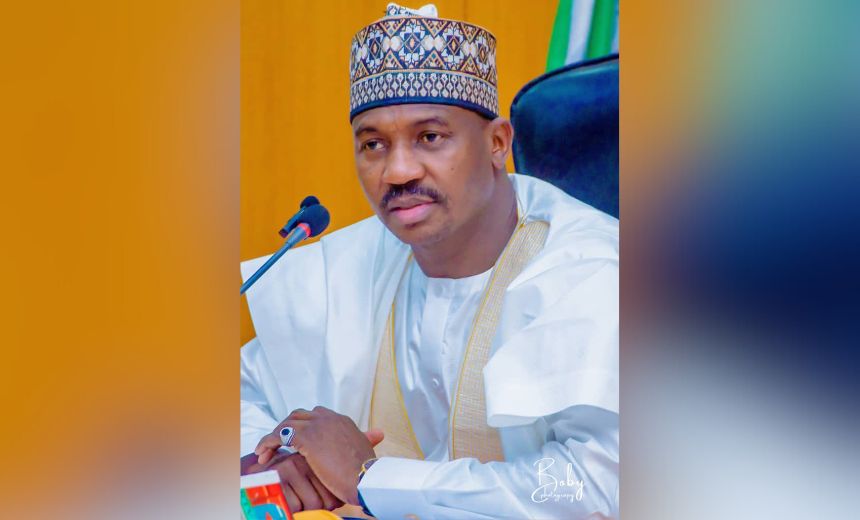
Governor Ahmed Aliyu says the framework provides a practical mechanism for monitoring progress and adjusting policies to deliver real economic impact.
A major component of the reforms is the digitalisation of land administration, with electronic issuance and recertification of Certificates of Occupancy and Rights of Occupancy.
MUST READ: Trump Threatens Canada With 100% Tariff Over China Deal
The system now incorporates GPS coordinates, owner identification, and enhanced security features, improving certainty of ownership and access to finance.
To drive digital service delivery, the state has established the Sokoto State Information and Communication Technology Development Agency, mandated to expand digital infrastructure, coordinate e-government services, and engage private technology partners.
The reforms also prioritise small and medium-sized enterprises through simplified tax administration, integrated payment platforms, and clearer regulatory requirements, reducing compliance costs and easing business operations.
Judicial reforms, including the expansion of Small Claims Courts, are providing faster and more affordable resolution of commercial disputes, strengthening confidence in the business environment.
The government says increased transparency and accountability are reducing corruption, improving service delivery, and promoting economic inclusion. The reform programme has attracted commendations from UN agencies, the private sector, and the federal government as a model for inclusive governance.
(Editor: Ada Ononye)