
President Bola Tinubu has removed Kayode Egbetokun as Inspector-General of Police, IGP and announced a new head of the Nigeria Police Force.
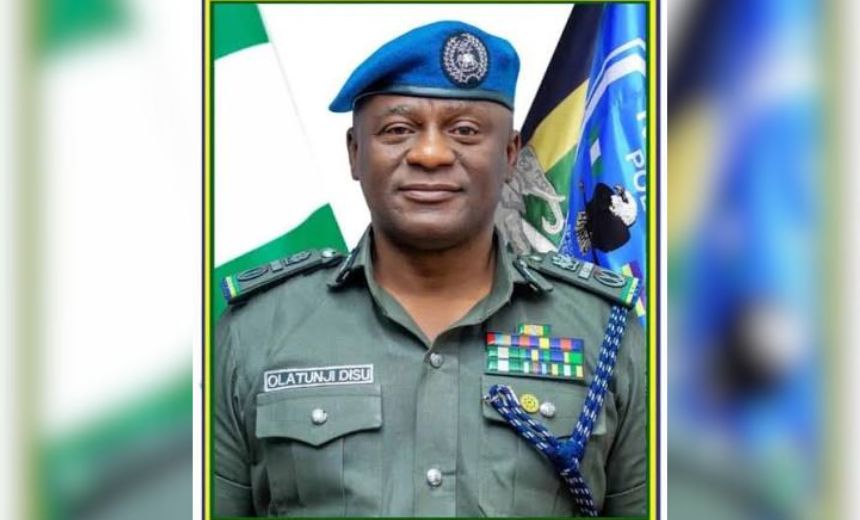
In a statement from the Presidency, the President thanked Egbetokun for his service and named AIG Tunji Disu as his successor, effective immediately.
Disu was promoted to the rank of Assistant Inspector-General of Police, AIG in March 2025. He recently assumed office on February 10 as AIG in charge of Force Criminal Investigation Department, FCID, Lagos Annex, Alagbon. He had served as Commissioner of Police at different times in Rivers State and then the Federal Capital Territory, FCT Abuja.
The announcement by the Presidency marks a significant change in the Nigeria’s security leadership
Kayode Egbetokun assumed office as IGP in 2023 amid rising concerns over violent crime, banditry, and kidnappings across several states. During his tenure, the Force launched multiple operations targeting organised criminal networks and sought to modernise surveillance and tactical response units.
However, his time in office was also marked by public criticism over response times, police conduct, and lingering concerns about accountability within the ranks.
Security analysts say the removal underscores growing pressure on the federal government to demonstrate measurable improvements in safety and law enforcement effectiveness.
The timing of the decision is significant.
First, it suggests the Presidency may be responding to mounting public dissatisfaction over insecurity. While policing challenges in Nigeria are complex and deeply rooted, leadership accountability remains a powerful political symbol.
Second, the appointment of a new IGP offers the administration an opportunity to reset its security messaging. A new police chief can introduce fresh strategies, reorganise command structures, and potentially rebuild public confidence – especially among communities that have expressed distrust of law enforcement.
However, analysts caution that structural challenges – ranging from funding constraints and manpower shortages to training gaps and welfare concerns – cannot be resolved by leadership change alone.
For the incoming Inspector-General Tunji Disu, the immediate tests will include:
- Demonstrating quick wins in high-crime areas
- Strengthening intelligence coordination
- Addressing internal discipline and transparency
- Reassuring both officers and the public about the direction of reform
Ultimately, the success of this transition will depend not just on personalities, but on policy consistency, institutional support, and sustained political will.
As the new Inspector-General prepares to take command, Nigerians will be watching closely to see whether this leadership change translates into tangible improvements in security nationwide.
(Editor: Terverr Tyav)