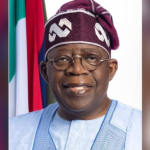



The Independent Corrupt Practices and Other Related Offences Commission (ICPC) has reaffirmed its commitment to a formal partnership with the National Commission for Almajiri and Out-of-School Children Education (NCAOOSE) to strengthen advocacy, prevent corruption, and bolster national efforts aimed at reintegrating millions of vulnerable children into the educational system.
The assurance was given by the ICPC Chairman, Musa Adamu Aliyu, when he received the Executive Secretary of NCAOOSE, Mohammed Sani Idris, and his delegation on a courtesy visit to the Commission’s headquarters in Abuja.
Welcoming the delegation, Aliyu framed the discussion within the broader context of national survival and leadership continuity, describing NCAOOSE as a critical institution in safeguarding Nigeria’s future.
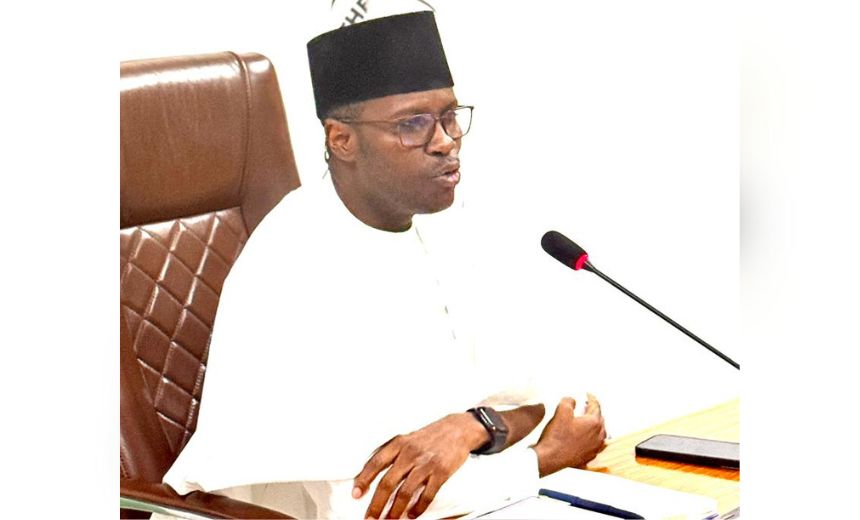
Drawing on his experience as Attorney-General in Jigawa State, he noted that keeping children in school remains a difficult but essential task.
The ICPC boss stressed that children must remain under responsible parental guidance while also receiving quality education to preserve the nation’s future leadership, warning that young persons should not be burdened with responsibilities beyond their years. “The issues raised by the Executive Secretary are not merely administrative; they are fundamental to the preservation of our nation’s future leadership,” Aliyu stated.
To move beyond rhetoric and into tangible action, Aliyu proposed the swift finalisation of a Memorandum of Understanding between the two agencies. This formal instrument, he explained, would provide a robust framework for collaboration, enabling the ICPC to deploy strategic anti-corruption tools such as Corruption Risk Assessment to pre-emptively block financial leakages and enhance transparency within NCAOOSE’s educational intervention frameworks.
He further highlighted the role of the Anti-Corruption Academy of Nigeria in driving behavioural change and building integrity capacity, adding that ICPC would leverage its initiatives to support NCAOOSE in delivering its mandate effectively and transparently.
MUST READ: Don’t Disgrace the Badge”: ICPC Chairman Charges Five Newly Promoted ASPs
The ICPC Chairman subsequently directed the heads of the Commission’s Public Education, External Cooperation, and the Academy to immediately engage with their NCAOOSE counterparts to identify synergies and advance the proposed partnership.
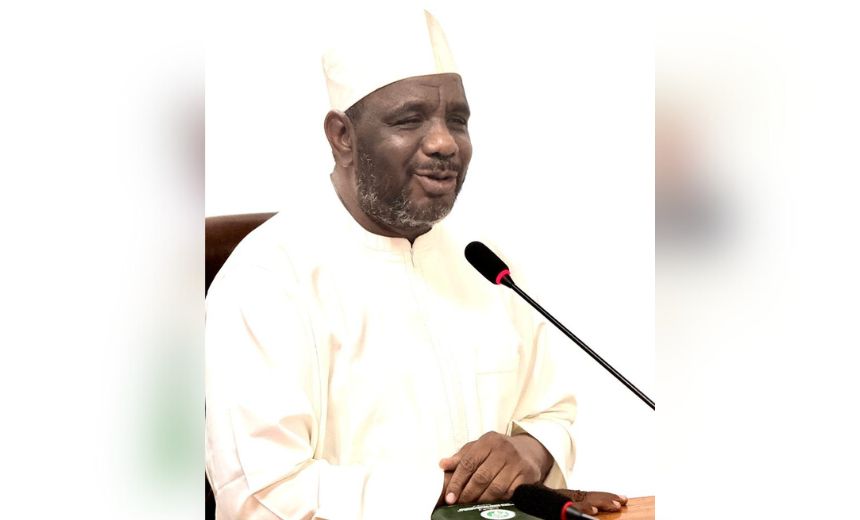
Earlier in his remarks, Mohammed Sani Idris painted a stark picture of the national crisis, drawing on UNICEF statistics that place the number of out-of-school children in Nigeria at over 18.3 million. He detailed the plight of Almajiri and other vulnerable children, who are not merely missing an education but are exposed to severe risks including sexual abuse, medical neglect, and other societal dangers.
He lamented the abdication of parental responsibility, stressing that child neglect and street begging stand in direct opposition to both moral imperatives and religious teachings. It is within this context of profound vulnerability, he argued, that a robust partnership with the ICPC becomes indispensable. Tackling the corruption-related factors that exacerbate the education gap, particularly in advocacy and resource allocation, is crucial to safeguarding this demographic.
Idris was also candid about the operational hurdles hampering NCAOOSE’s work. Despite operating approximately 200 learning centres and identifying over 700,000 out-of-school children for intervention, the Commission is severely constrained by inadequate funding, a lack of office infrastructure, and an insufficient fleet of operational vehicles. He stressed that to scale its impact and meet the vast need, substantially increased financial backing is non-negotiable.
In a direct appeal, he called on Aliyu to leverage his office to advocate for improved budgetary support for NCAOOSE from the relevant authorities responsible for funding Ministries, Departments and Agencies.
The meeting concluded with both agencies expressing a firm commitment to sustained collaboration. The shared vision is clear: to forge a unified front that promotes transparency, protects the nation’s most vulnerable children, and confronts the systemic drivers perpetuating the out-of-school children phenomenon in Nigeria.
(Editor: Ebuwa Omo-Osagie)