

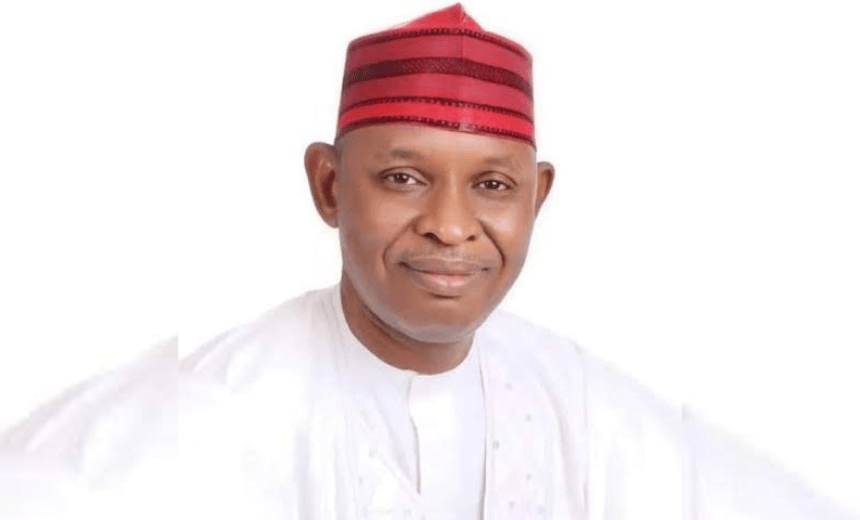
The Kano State Government has approved four point seven billion naira for the 2026 Ramadan programme in the State
This is a sharp increase from the two point five billion naira spent in 2025, an amount Governor Abba Yusuf says will provide cooked meals and food grains to poor and vulnerable residents, struggling to break their fast.
During the holy month of Ramadan, Kano observes the season with deep reference and absolute devotion—from the early morning call to prayer to the evening moment of iftar, when Muslims break their fast.
A walk through some of the major streets at night, one is greeted with light decorations, as streets and homes display crescent and star symbols that reflect the spirit of the holy season.
With the importance attached to this sacred month, it may not be out of place that the Kano State Government says the Ramadan it is feeding fasting muslims.
Abba Yusuf says the feeding programme is designed to support the poor, the needy and people living with disabilities.
In 2025, about two point five billion naira was spent on the programme, which runs throughout the thirty days of Ramadan.
This year, the government expanded the number of feeding centres and increased the budget to four point seven billion naira.
In addition to cooked meals served daily, the government—alongside support from prominent Kano indigenes—had earlier distributed raw variety grains to vulnerable residents across the state.
As the fasting progresses, meals are prepared and distributed through contractors at more than one hundred centres, including Tsangaya schools, orphanages and disability homes.
Beneficiaries say the initiative provides timely relief during the fasting period.
To ensure quality and standards, officials of the state government visits cooking centres to monitor hygiene and appropriate quantity.
In Islam, feeding those who fast carries great spiritual reward. For vendors like Meena event and other suppliers involved in the programme, it also provides economic benefits and employment to thousands
While the allocation of over four billion naira may appear large, many residents say the spending should be seen as a social investment.
They note that the programme also stimulates local economic activity by creating demand for food, from farmers, numerous traders and caterers involved in the supply chain.
For many, the initiative reflects the spirit of Ramadan—a time not only for fasting, but also for generosity, compassion and shared responsibility.
(Editor: Roluke Ogundele)