

Nigeria is now ranked fourth in the world, amongst the countries most affected by terrorism.
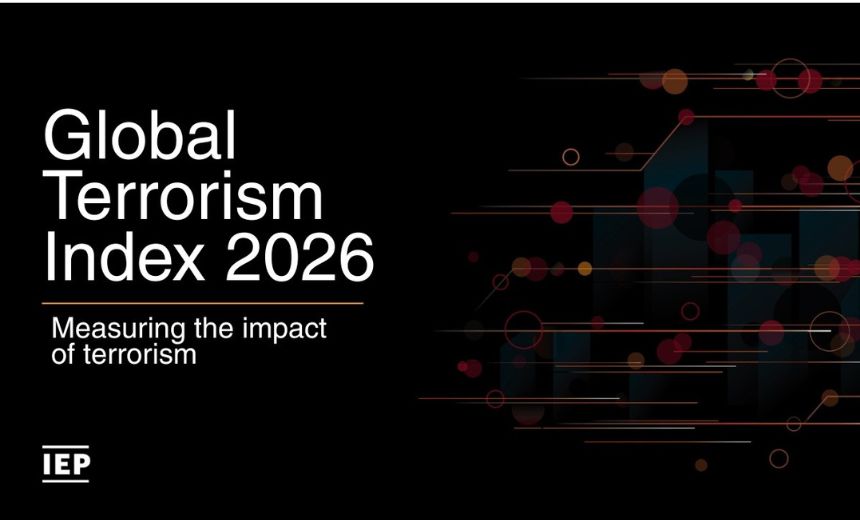
This is according to the latest Global Terrorism Index report.
It raises fresh concerns about security, regional stability, and ongoing counterterrorism efforts.
The report, published by the Institute for Economics and Peace, places Nigeria behind only a handful of nations experiencing prolonged conflict.
The Global Terrorism Index evaluates countries based on the impact of terrorist activities, including the number of incidents, fatalities, injuries, and property damage.
Analysts say the ranking reflects persistent attacks by extremist groups, particularly in the northeast, northwest and middle belt regions.
Organizations such as Boko Haram and its splinter faction, Islamic State West Africa Province, or ISWAP, continue to carry out deadly operations despite years of military campaigns.
Security experts warn that while territorial control by insurgents has declined, asymmetric attacks—such as ambushes, bombings, and raids—remain a serious threat.
MUST READ: 2027 Election: Clerics seek peaceful Poll as Muslims faithful celebrate Eid-El-Fitri
The report notes that although there have been fluctuations in the number of attacks, the overall impact remains significant, particularly in vulnerable rural areas.
It also highlights the broader challenges of poverty, displacement, and limited access to education as factors that can fuel instability.
Millions remain displaced in the Lake Chad Basin region and the Middle Belt region, with humanitarian agencies warning of worsening conditions if security does not improve.
The Nigerian government has reiterated its commitment to combating terrorism, emphasizing ongoing military operations and regional cooperation.
However, experts say a long-term solution will require not only security measures but also sustained investment in development and governance.
For now, Nigeria’s position on the Global Terrorism Index serves as a stark reminder of the work still ahead.
(Editor: Ebuwa Omo-Osagie)