
For many Nigerian broadcasters, the microphone is more than just a tool, it is their voice, their livelihood, and, increasingly, a source of anxiety.
That anxiety deepened last week after the National Broadcasting Commission, NBC, issued a directive warning stations and presenters against what it described as breaches of the broadcasting code, including expressing “personal opinions” on air.
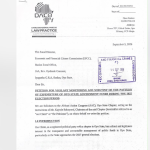
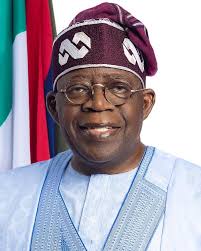
Now, the Socio-Economic Rights and Accountability Project, SERAP is stepping in, urging President Bola Tinubu to intervene and withdraw what it calls an unlawful move that could silence journalists.
In a letter signed by its Deputy Director, Kolawole Oluwadare, SERAP warned that the directive is already sending a chilling message across newsrooms.
For on-air personalities who thrive on analysis and commentary, the concern is immediate.
The NBC’s notice, issued on April 17, cited a rise in violations in news and political programmes and threatened sanctions for what it termed “Class B breaches.”
SERAP insists that journalism cannot exist without opinion, analysis, and critical questioning.
According to the organisation, asking presenters to avoid personal views strips media work of its core function, helping the public understand complex issues.
SERAP also warned that the directive could have wider consequences, especially as Nigeria gradually moves toward the 2027 general elections. It argues that limiting what broadcasters can say may reduce scrutiny of political actors and weaken public debate.
While the federal government has yet to respond, the Minister of Information, Mohammed Idris Malagi, and the NBC are being asked to not only withdraw the directive but also review sections of the broadcasting code to align with constitutional rights.
(Editor: Terverr Tyav)