
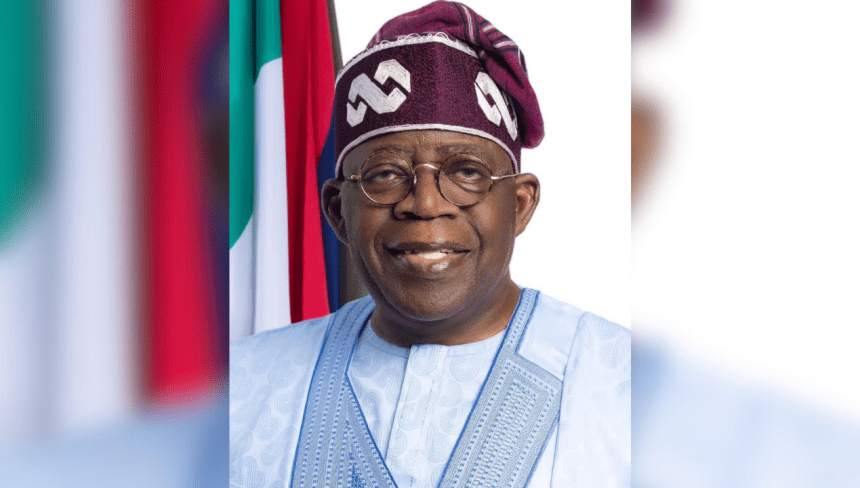
Nigeria’s national budgeting system is up for criticism yet again following President Bola Tinubu’s assent to the 2026 Federal Budget
Much as it has been in recent years, two budgets are going to run concurrently, the capital component of 2025 and the 2026 appropriation act.
The presidency calls it a consolidation, but is it?
President Bola Tinubu has been promoting the concept of renewed hope.
The three national budgets sent by him to the National Assembly have also prominently underlined that theme
But for his critics, the numbers are as humongous as they are flattering.
For them, the trillions matters little when implications continues to face consistent bottlenecks of near zero releases
A big problem has been meeting the revenue targets which in turn affects expenditure.
Financial expert Muda Yusuf suggests that ongoing reforms and improved revenue could support this fiscal framework.
2026, much like 2025 will see the government operate two budgets.
The government has explained it away by saying extension of the 2025 budget to mid 2026 is intended to prevent project abandonment and ensure the full utilization of previous funds.
But Olusesan Okunade warns that overlapping budget cycles reflect weak fiscal discipline that could heighten debt pressures and transparency concerns and even disrupt standard planning cycles, potentially creating uncertainty for businesses.
Infrastructure remains a cornerstone of the 2026 spending plan
While analysts agree that capital spending is essential to boost private sector productivity, they warn of policy inconsistency particularly where projects considered priority do not translate into real economic growth.
As full implementation of the 2026 Act began on April 1, analysts agree that the government’s ability to restore credibility in fiscal management will be just as important as the funds it spends.
(Editor: Anoyoyo Ogiagboviogie)