
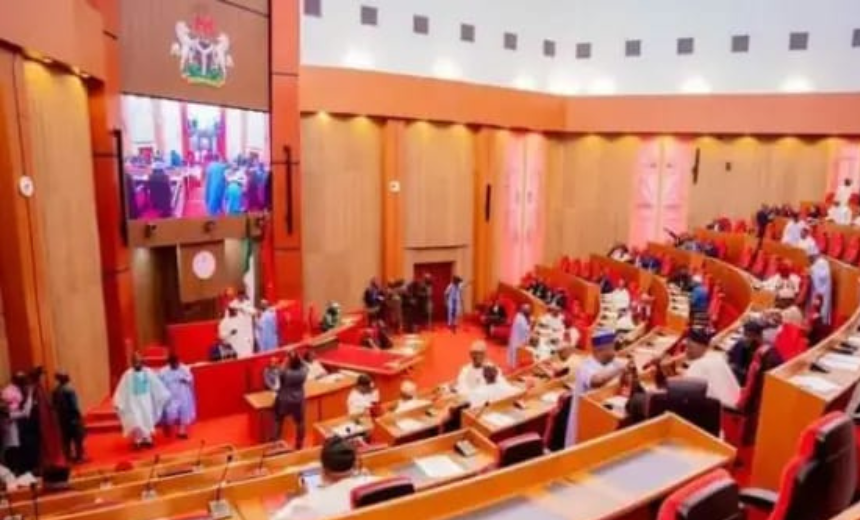
The Senate on Wednesday rejected a proposal seeking a probe of military spending despite growing concerns over the worsening security situation across the country.
Instead, the upper chamber focused on condemning recent bandit attacks in Oyo and Kwara States, urging security agencies to ensure the immediate rescue of those still in captivity and calling for the expansion of the Safe School Initiative to protect vulnerable learning institutions nationwide.
The debate began with a solemn moment of reflection as senators mourned the death of a teacher and other victims killed during attacks in Oyo State.
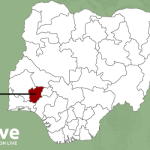
This follows a motion sponsored by Senator Abdulfatai Buhari, who drew attention to the abduction of 49 persons and the killing of school teacher Michael Oyedokun, alongside several others, including a toddler.
The chamber was further stirred when Senator Sulaiman Sadiq, through a personal explanation, raised concerns over the persistent attacks on communities in Kwara North, describing a troubling pattern of daily bandit raids and growing insecurity in the area.
Contributions from lawmakers reflected widespread concern over the increasing prevalence of kidnapping and violent crimes across the country, with many senators calling for stronger and more coordinated security measures.
A major point of debate emerged when Senator Adams Oshiomhole called for a comprehensive audit of military expenditure and greater accountability in the management of security funds.
The former Edo State Governor questioned whether previous Senate resolutions on security matters had produced tangible results, arguing that resolutions would continue to lose their value without effective implementation and oversight.
He recalled the abduction of schoolchildren in Kebbi State and noted that reports at the time suggested security personnel assigned to the school had been withdrawn shortly before the attack.
According to him, the Senate had directed the military authorities to identify those responsible and report back to the chamber, but no feedback had been received.
Oshiomhole maintained that the absence of accountability undermines efforts to tackle insecurity and called for a detailed review of security spending to determine how appropriated funds have been utilised and whether they have translated into improved security outcomes.
Supporting the call for greater scrutiny, Senator Sani Musa argued that the National Assembly has consistently approved substantial allocations to the defence sector, yet insecurity continues to worsen in many parts of the country.
He stressed the need for security chiefs to account for resources committed to military operations and urged lawmakers to exercise their oversight responsibilities more effectively.
Musa questioned whether the huge investments in defence were producing the desired results, pointing to recurring complaints about inadequate equipment and unpaid allowances for security personnel despite the scale of government spending on security.
Deputy President of the Senate, Barau Jibrin, who presided over the session, acknowledged the concerns raised by lawmakers and noted that calls for accountability in security spending were not entirely misplaced.
However, when Oshiomhole sought to include a probe of military spending among the Senate resolutions, the proposal had no seconder which led to it being thrown out.
An attempt by Senator Sani Musa to amend the resolution in a manner that would accommodate the proposal also failed to gain traction, and the Senate subsequently adopted its resolutions without any provision for an investigation into military expenditure.
(Editor: Terverr Tyav)