

For many rural communities across Nigeria, snakebite is not just a medical issue, it is a life-and-death emergency that often arrives without warning.
Now, efforts are underway to change that story.
At the Executive Council meeting held at the Presidential Villa, Abuja, on Monday , the Kaltungo Snakebite Treatment Centre in Gombe State has been upgraded into a National Snakebite Research and Medical Centre.
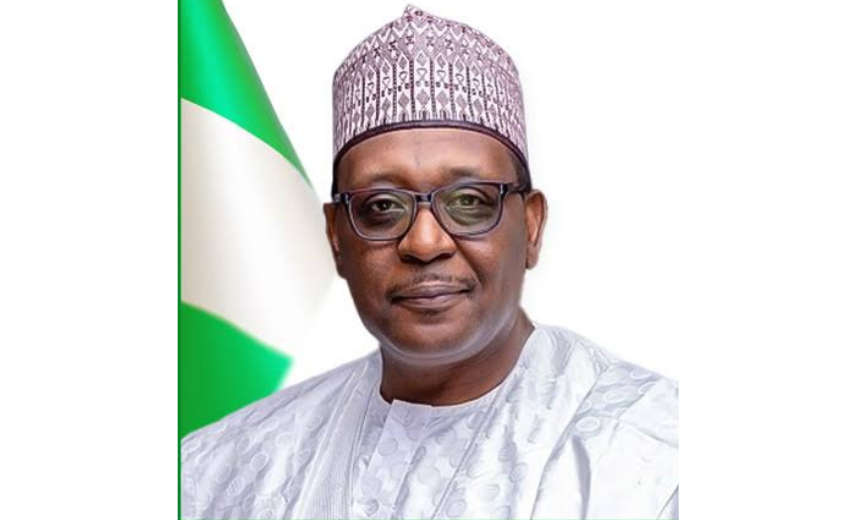
Minister of Health and Social Welfare, Professor Muhammad Ali Pate, says the decision is aimed at improving care for thousands of victims who suffer snakebites every year, especially in rural farming communities.
He said the facility will now go beyond treatment, with expanded roles in research, training and prevention.
According to him, snakebite remains one of the most neglected health challenges in the country, with over 43,000 cases recorded every year.
Many of the victims, he explained, are farmers, herders, hunters, women and children who encounter snakes during their daily activities in rural areas.
He said many of these cases end in deaths, long-term disabilities, or trauma that affects families and livelihoods.
The upgraded centre, he added, will provide specialised treatment, strengthen research on prevention and ensure better access to anti-snake venom across affected regions.
It will also work with international partners and is expected to become the first of its kind in the country and the sub-region.
In another move, the council approved 10 mobile blood donation clinics powered by compressed natural gas for the National Blood Service Agency.
The aim is to bring blood donation closer to people, especially at a time when demand remains high.
Nigeria needs about 1.8 million units of blood every year, but only a fraction of that is currently available.
The mobile clinics are expected to support emergency care for pregnant women, accident victims, surgical patients and cancer patients who depend on transfusions.
The meeting also approved the procurement of tuberculosis drugs and related commodities worth 62 billion naira.
Officials say the intervention is part of efforts to reduce dependence on external support and strengthen local access to treatment in the long term.
(Editor: Anoyoyo Ogiagboviogie)