
The Federal Government has responded to growing public debate over claims that more than eight trillion naira was spent outside Nigeria’s approved budget, following reports linked to the International Monetary Fund’s 2026 Article IV Consultation on the country’s fiscal operations.
It noted that the interpretation of the IMF’s observations is inaccurate and does not reflect the realities of Nigeria’s public finance system.
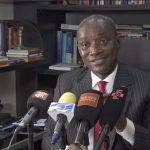
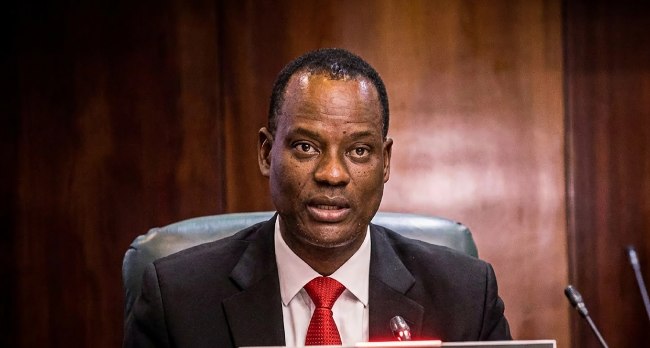
In a statement issued by the Minister of Finance and Coordinating Minister of the Economy, Taiwo Oyedele, dates 5th July 2025, the Federal Government dismissed suggestions that it operates a shadow budget or spends public funds without legislative approval.
The Ministry stressed that under Sections 80 to 83 and 162 of the 1999 Constitution, public funds can only be withdrawn and expended in accordance with laws enacted by the National Assembly.
According to the statement, government expenditure is implemented through Appropriation Acts, Supplementary Appropriation Acts, and other statutory authorities approved by lawmakers.
Oyedele explained that certain expenditures, including multi-year capital projects, statutory transfers, debt service obligations, and special intervention programmes, are recognised features of public financial management and are backed by existing laws.
The Ministry noted that such expenditures are disclosed through fiscal reports and remain subject to oversight, audit, and accountability mechanisms.
It added that differences between budget presentation and international fiscal reporting standards may affect how some expenditures are classified but do not amount to unlawful spending.
The government also rejected claims that the reported amount automatically translates into a wider fiscal deficit, explaining that a deficit is determined by the gap between total revenue and total expenditure, regardless of the financing mechanism used for approved projects.
The statement further clarified that the IMF’s observations relate mainly to improving the comprehensiveness and presentation of fiscal reporting rather than the legality of government spending.
The Ministry pointed to ongoing reforms aimed at strengthening budget credibility, improving treasury management, enhancing transparency, and aligning Nigeria’s fiscal reporting framework with international best practices.
The Federal Government reaffirmed its commitment to prudent fiscal management and accountability while urging that public discourse on fiscal matters be guided by facts and a proper understanding of the country’s constitutional and financial framework.
Editor: Ebuwa Omo-Osagie