

In Nigeria, thousands of domestic workers quietly keep homes running, cooking, cleaning, caring for children and safeguarding properties. Yet many of them remain invisible in the country’s labour system, often working without contracts, protection or a collective voice.
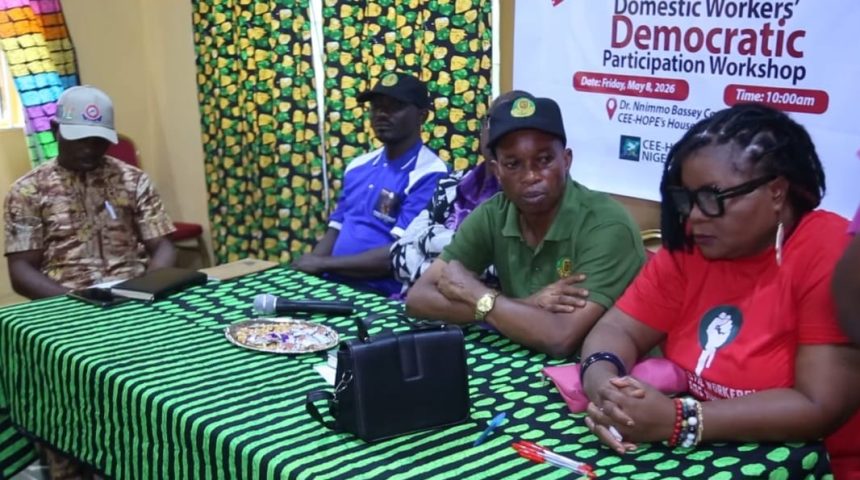
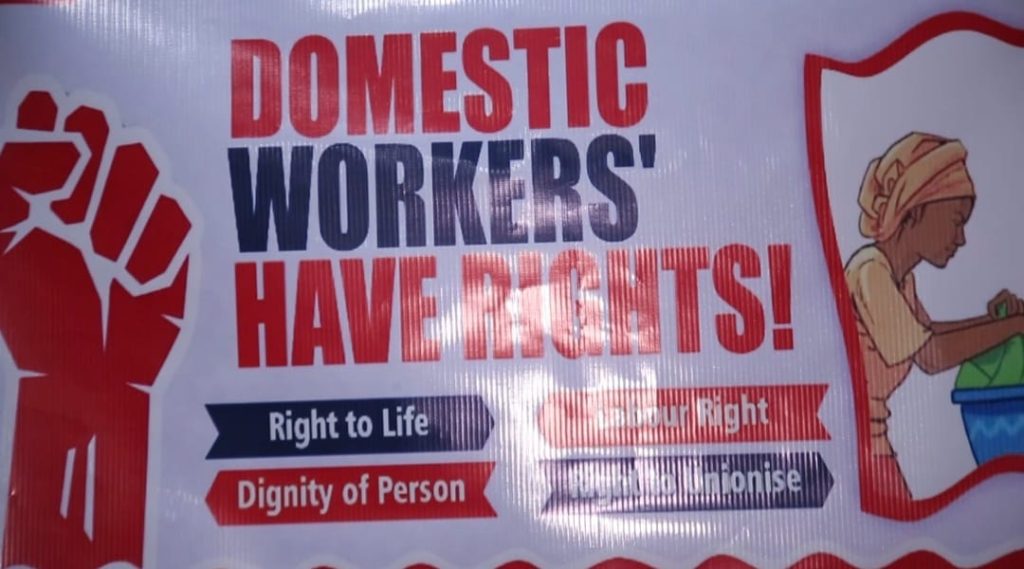
Now, advocates are pushing to change that narrative. At a one-day meeting in Lagos, domestic workers and labour rights advocates gathered to demand dignity, recognition and inclusion in national decision-making.
The challenges domestic workers face across Nigeria remain alarming, ranging from poor wages and excessive working hours to physical and psychological abuse. And Unlike several African countries, Nigeria is yet to establish a strong union structure for domestic workers, a gap labour advocates say weakens collective bargaining.
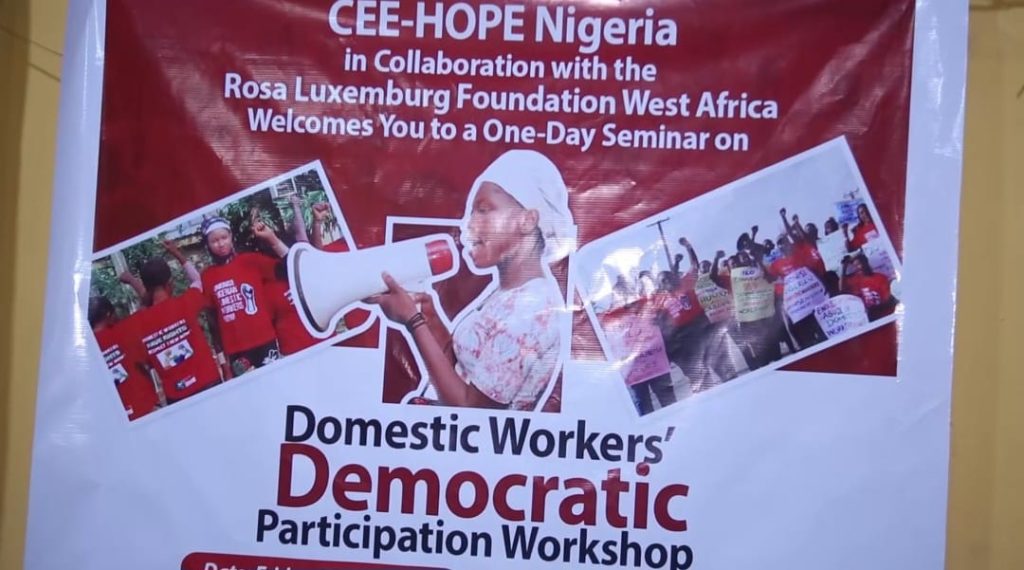
Rose Edeh, was once a domestic worker. She recounts years of exploitation while working for a relative.
“The domestic worker is a worker and should be recognised as such. There should be fair salary, resumption and closing time, rest days and no abuse.” Edeh added.
The meeting is focused on empowering domestic workers to understand their rights and participate more actively in the labour and democratic process. Advocates are also urging lawmakers to expedite legislation that will regulate recruitment and working conditions for domestic workers, in line with global standards.
“Today in particular we are focusing on domestic workers being part of the democratic movement… creating awareness of the need for their voices to be heard, to take part in the democratic process, voting and even being voted for.” said Betty Abah, Executive Director, CEE-HOPE Nigeria.
With the 2027 general elections approaching, organisers say empowering domestic workers politically, socially and economically could transform a largely invisible workforce into a formidable movement, one determined to demand dignity in labour and a place in Nigeria’s democratic future.
(Editor: Nkoli Omhoudu)