

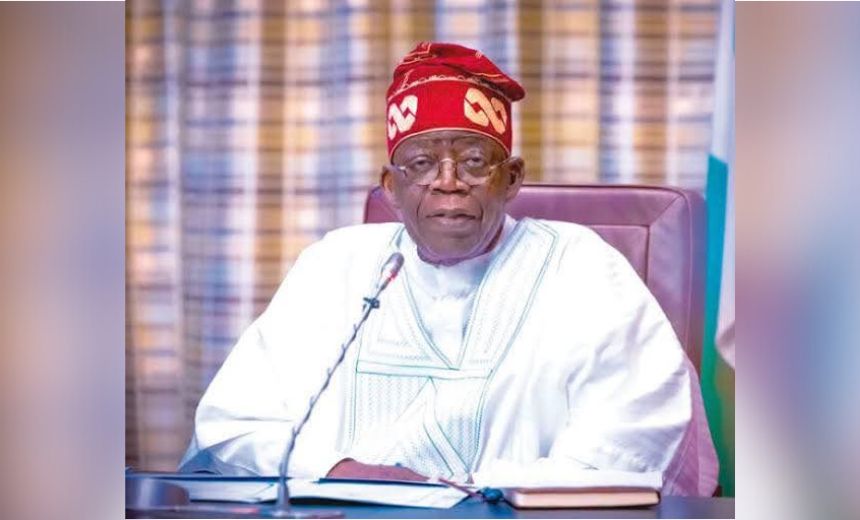
President Bola Tinubu has signed the Electoral Act (Amendment) Bill 2026 into law, giving legal force to new changes in Nigeria’s electoral framework just days after the election timetable for 2027 was unveiled.
The signing ceremony was held at the Presidential Villa in Abuja on Wednesday at about 5:00 p.m. in the presence of principal officers of the National Assembly.
The amended legislation had been passed by lawmakers on Tuesday.
The development follows the recent release of the 2027 general election schedule by the Independent National Electoral Commission, INEC, setting the stage for political activities ahead of the next nationwide polls.
Central to the amendment is the contentious issue of electronic transmission of results.
The debate intensified in recent weeks, with civil society groups and opposition figures staging protests at the National Assembly, demanding compulsory real-time transmission of results from polling units to INEC’s central database.
Proponents argue that mandatory live transmission would curb manipulation and strengthen public confidence in the electoral system.
However, the ruling All Progressives Congress, APC and other stakeholders have raised concerns about network limitations in remote areas, advocating a flexible system that accommodates manual collation where electronic transmission is not feasible.
Memories of the 2023 elections also resurfaced in the debate, after technical glitches affecting INEC’s Results Viewing Portal fueled allegations of irregularities.
Under the timetable already announced, Presidential and National Assembly elections are scheduled for February 20, 2027, while Governorship and State Assembly polls will follow on March 6, 2027.
With the new 2026 Electoral Act, INEC is however expected to release new dates for the general election.
(Editor: Terverr Tyav)