

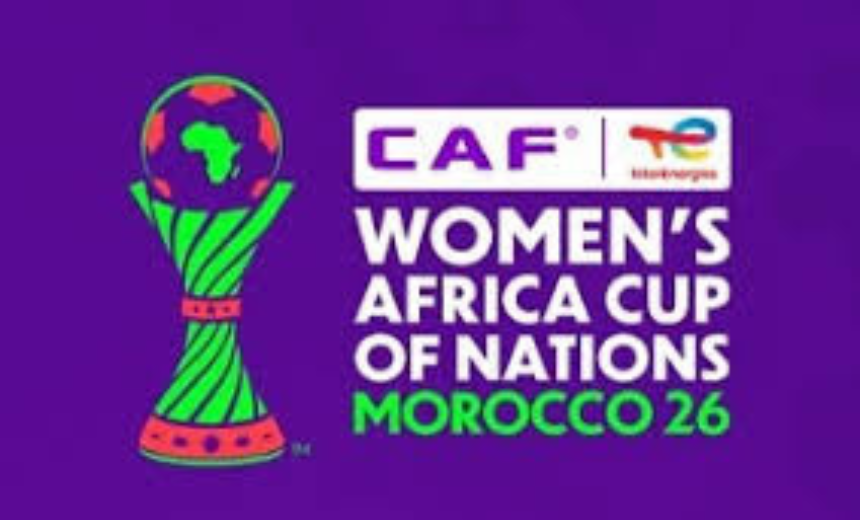
The Confederation of African Football (CAF) has announced the postponement of the 2026 Women’s Africa Cup of Nations (WAFCON), with the tournament now scheduled to take place from July 25 to August 16, 2026.
The competition was initially slated to run from March 17 to April 3, but CAF said the adjustment became necessary to ensure the successful organisation of the continental showpiece.
In a statement, the African football governing body said the decision was reached after consultations with key stakeholders, including FIFA and other partners involved in the tournament.
CAF explained that the revised dates followed what it described as unforeseen circumstances affecting the earlier schedule.
Despite the change, the organisation assured fans and participating teams that preparations for the tournament are ongoing and progressing as planned.
“CAF, in consultation with stakeholders including FIFA, has agreed to reschedule the competition in order to ensure optimal conditions for a successful tournament,” the statement noted.
The announcement also puts to rest speculation about a possible change of host nation. There had been reports suggesting that South Africa could step in as host, following claims that Morocco had withdrawn from organising the event. However, CAF clarified that Morocco remains the official host of the 2026 Women’s AFCON.
The North African nation was awarded the hosting rights in October 2024, and preparations for the tournament are continuing.
Meanwhile, Nigeria women’s national football team, popularly known as the Super Falcons, will once again aim to assert their dominance on the continent.
Nigeria is the most successful team in the history of the Women’s AFCON, having won the competition a record number of times.
For the 2026 edition, the Super Falcons have been drawn in Group C, where they will face Zambia women’s national football team, Egypt women’s national football team, and Malawi women’s national football team in the group stage.
The Women’s AFCON remains the premier women’s football competition on the African continent and plays a crucial role in the development and visibility of the women’s game across Africa.
Beyond the battle for continental glory, the tournament also serves as an important qualification pathway for the FIFA Women’s World Cup, with the top FOUR – teams earning spots to represent Africa at the global showpiece.
With the new dates confirmed, participating teams will now have additional time to fine-tune their preparations as they aim to compete for the coveted continental title and secure a place on the world stage.
(Editor: Ken Eseni)