
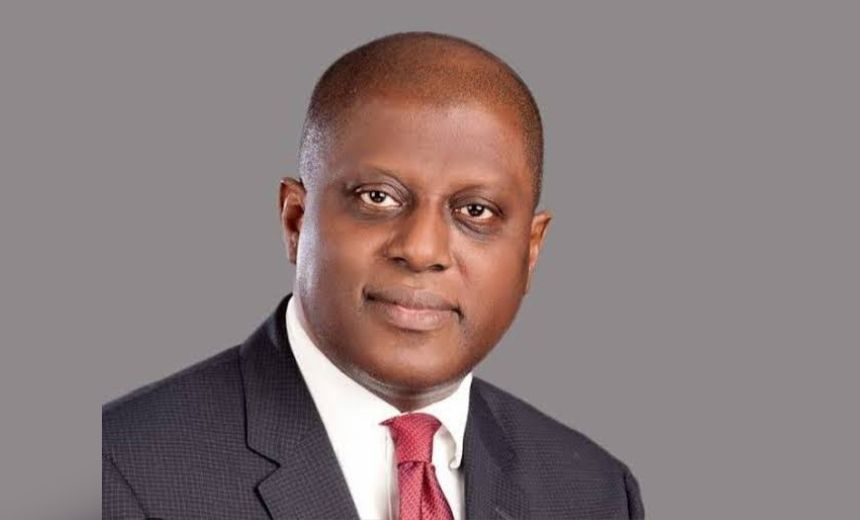
Central Bank of Nigeria (CBN) Governor Olayemi Cardozo on Monday presented a comprehensive roadmap for macroeconomic stability and sustainable growth at the second National Economic Council (NEC) Conference in Abuja.
Speaking ahead of the panel session alongside former CBN Governor and Anambra State Governor, Chukwuma Soludo, Cardoso highlighted the progress made under bold fiscal and monetary reforms while cautioning that risks remain.
The CBN Governor recalled the severe economic challenges inherited, including inflation peaking at 34.6%, a dysfunctional foreign exchange market with a parallel market premium exceeding 16%, and significant investor flight from the Naira.
Past interventions, including direct CBN purchases totaling 10.93 trillion Naira, provided temporary relief but created distortions such as excess liquidity and higher liquidity management costs.
Cardozo outlined the Bank’s three-pillar strategy for stabilizing the economy: decisive monetary policy with an aggressive 875-basis-point interest rate hike to control inflation, creation of a market-driven FX regime anchored on transparency and price discovery, and strengthened fiscal coordination to ensure systemic resilience and debt sustainability.
He reported tangible outcomes of these reforms, including easing inflation, greater exchange rate stability, a surge in foreign reserves to $49 billion as of February 2026, and renewed investor confidence.
Emphasizing the role of subnational governments, Cardoso said states now control over 50% of fiscal revenue and play a critical part in shaping macroeconomic outcomes, including inflation, liquidity, and economic growth.
Looking ahead, the CBN roadmap for 2026–2030 focuses on price stability, deepening domestic financial markets, financial inclusion, external sector competitiveness, and coordinated fiscal-monetary policies.
Cardoso stressed that sustained gains require disciplined fiscal management, supply-side reforms, and institutional coordination.
He also highlighted the role of diaspora remittances, private-sector participation, and subnational collaboration in achieving a resilient, inclusive economy. However, he warned that liquidity overhang, election-cycle spending, and global trade tensions could pose challenges if not carefully managed.
Former CBN Governor and Anambra State Governor, Chukwuma Soludo, commended the administration’s economic reforms but described the $1 trillion economy target as ambitious, urging continued discipline to maintain stability and growth.
(Editor: Roluke Ogundele)