
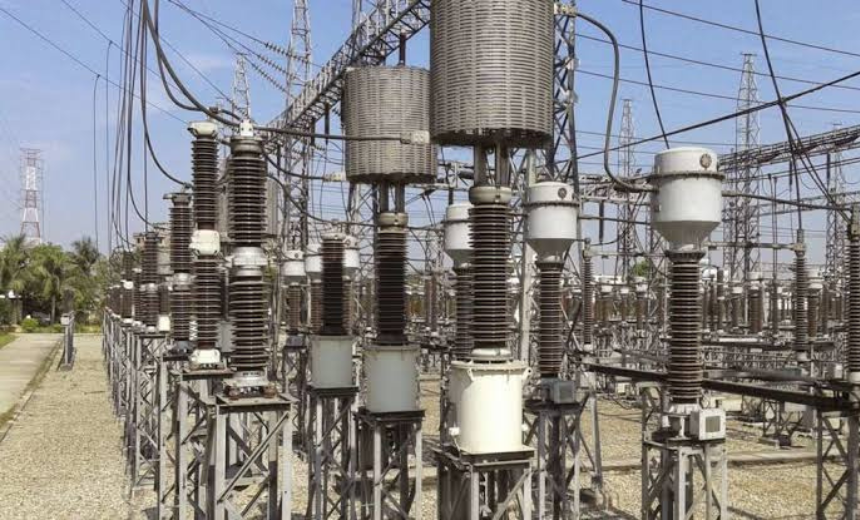
Customers placed under Band A electricity supply are supposed to enjoy a minimum of twenty hours of power a day.
But it comes with a condition – their tariff will be higher than other bands.
But in Enugu, many residents classified under Band A say the reality on the ground tells a different story, one that is raising fresh questions about fairness, transparency and accountability in electricity supply.
The band classification system introduced by the Nigerian Electricity Regulatory Commission groups electricity consumers into Bands A to E based on guaranteed hours of supply daily.
Band A customers are expected to receive at least twenty hours of electricity each day, a condition that justifies the higher tariff paid by consumers on those feeders.
But several residents in parts of Enugu State, Southeast Nigeria, served by MainPower Electricity Distribution Limited, say electricity supply in their communities has dropped significantly in recent weeks, with many insisting they now struggle to get up to four hours of power in a day.
The situation, they say, is even more difficult at a time when fuel prices are rising and the weather extremely hot.
For these residents, the concern goes beyond the shortage of electricity.
Patience Chukwu believes that if the supply can no longer meet the minimum requirement for Band A, then the logical step should be to readjust the tariff cost to reflect hours supplied, especially for customers on estimated billing.
But the distribution company sees the situation differently.
Emeka Ezeh, Head of Communications at MainPower Electricity Distribution Limited, says the situation is largely beyond the control of the company, explaining that they can only distribute the electricity allocated to them from the national grid.
He adds that power supplied from the grid has been low in recent times, affecting the number of hours supplied to consumers.
The regulator, however, says the situation is being closely monitored.
Chairman of the Enugu State Electricity Regulatory Commission, Chijioke Okonkwo, agrees that supply from the grid has been unstable, but insists the commission will ensure fairness for both consumers and the distribution company.
He says that the development highlights the urgent need for greater investment in power generation within the state to reduce reliance on the national grid.
With the way things stand now, many consumers say what they hope to see is a coordinated effort by all involved to close the gaps in electricity supply and restore stable power to homes and businesses.
(Editor: Anoyoyo Ogiagboviogie)