

Fifty-three years after the very first World Environment Day, a critical question echoes on whether Nigeria has actually achieved enough at improving its environment?
Advocates argue that outdated laws—like the country’s current Environmental Impact Assessment Act—fail to address modern realities.
AIT’s climate correspondent, Nkoli Omhoudu, examines Nigeria’s environmental journey—a story marked by minor steps forward, but overshadowed by massive, unfinished business.
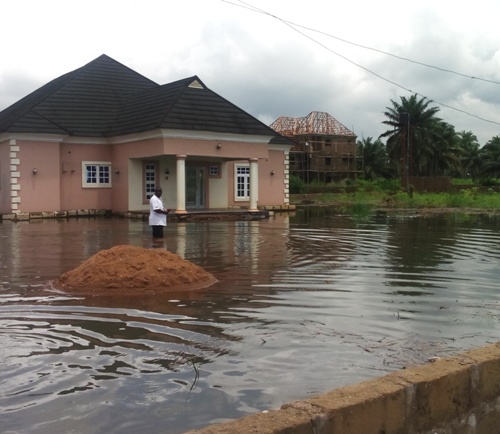
Across Nigeria, the visible scars of climate change are rapidly widening. In the vulnerable coastal communities of Lagos, Bayelsa, Delta, and Cross River states, rising sea levels and relentless coastal erosion continue to swallow entire homes.
Livelihoods are washed away, forcing thousands of families into permanent displacement.
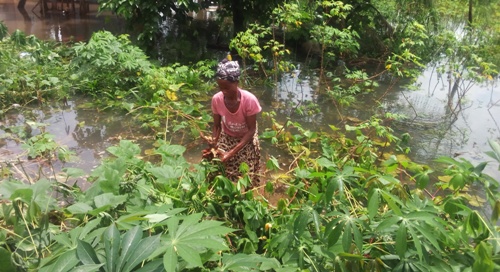
Inland, farmers face an equally devastating threat. Decades of severe land degradation, soil erosion, and unchecked deforestation are stripping away nutrients from the soil. This shrinking pool of arable agricultural land is directly worsening the nation’s food insecurity crisis.
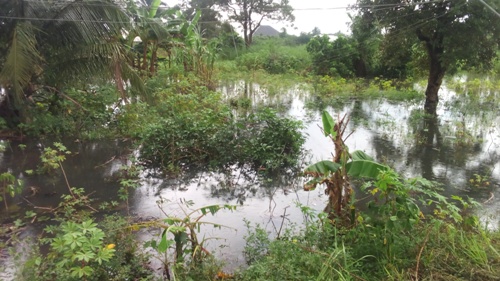
The unprecedented 2022 floods remain a tragic reference point for what is at stake. That disaster claimed over 600 lives, displaced 1.4 million citizens, and wiped out critical food crops across 33 states.
Policy experts note that the crisis is deeply aggravated by institutional gaps. Nigeria’s primary Environmental Impact Assessment law no longer reflects modern ecological realities.
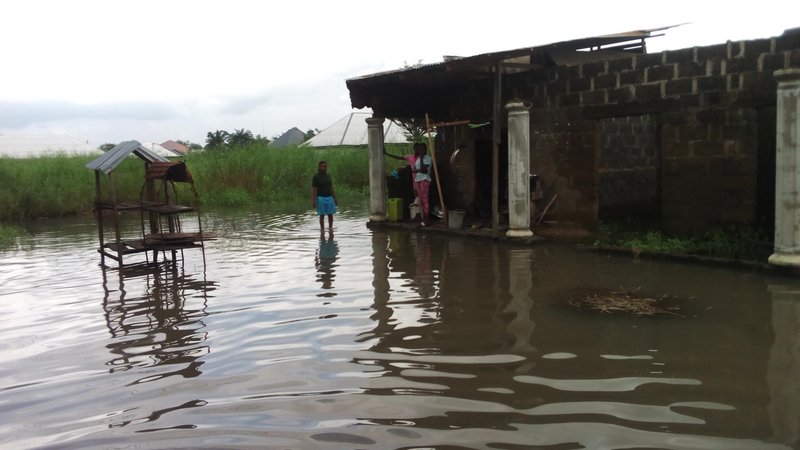
Compounding the issue is an over-reliance on imported chemical fertilizers and the systematic exclusion of women from core climate decision-making processes.
It is not entirely a story of failure. Environmental advocates acknowledge notable milestones, including a spike in public ecological awareness, the establishment of newer regulatory bodies, and a surge in youth-led climate advocacy.
Yet, these advocates maintain that policy implementation has failed to match the blistering speed of environmental decay, leaving dangerous gaps that require immediate intervention.
As the global community observes World Environment Day under this year’s theme, “Inspired by Nature. For Climate. For Our Future,” the local demand is that Nigeria needs tougher environmental governance and immediate community-led participation.
Fifty-three years since the birth of World Environment Day, the debate over whether climate change is real is officially over. The proof is entirely around us—from our vanishing coastlines and ruined farmlands to recurring floods. The only question left to answer is whether the response from the Nigerian government, corporate sectors, and everyday citizens will finally step up to match the terrifying scale of this crisis.
(Editor: Nkoli Omhoudu)