
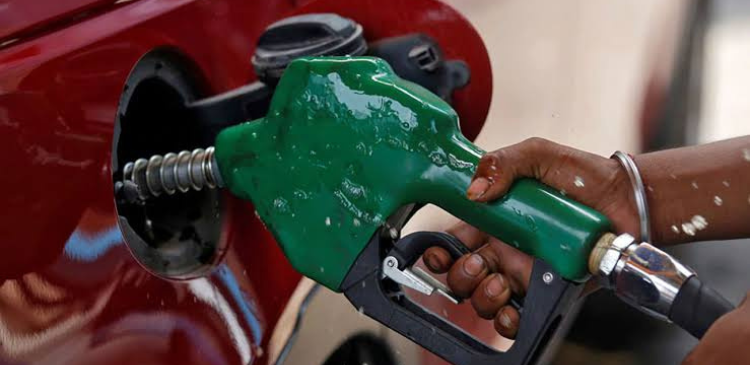
Most Nigerians are finding it difficult to adjust to the high cost of living due to the fuel subsidy removal by the administration of President Bola Tinubu and it’s attendant skyrocketing prices of goods and services.
In this special report, AIT.live sought the views of some Nigerians on the streets of Abuja, the nation’s capital on what they think government should do to alleviate the sufferings of the citizens.
The removal of fuel subsidy on May 29, 2023, came with its bandwagon effect as the prices of goods and services took a spiral increase.
The talk between the government, labour unions and other critical players which resumes on June 19 is therefore one that many Nigerians are eager to see its outcome. For many Nigerians however, the talks with labour and other interest groups ought to have preceded the fuel subsidy removal.
Also Read: Fuel Subsidy Removal: Edo Residents React To NLC Suspended Strike
Even before the fuel subsidy removal, many Nigerians including the President of the African Development Bank, Akinwumi Adesina, had insisted that the fuel subsidy was hijacked by a cabal in the country.
While discussions are ongoing among all the key actors on modalities to cushion the hardship faced by citizens, some state governments have begun to roll out palliatives for the residents that include fewer days of work and school days.
It however remains to be seen if organised labour will at the end of the day be able to secure for civil servants incomes and wages that can balance out the cost of fuel and its economic impact; and if government will be able to control the spiral prices of goods and services.
(Editor: Terverr Tyav)