
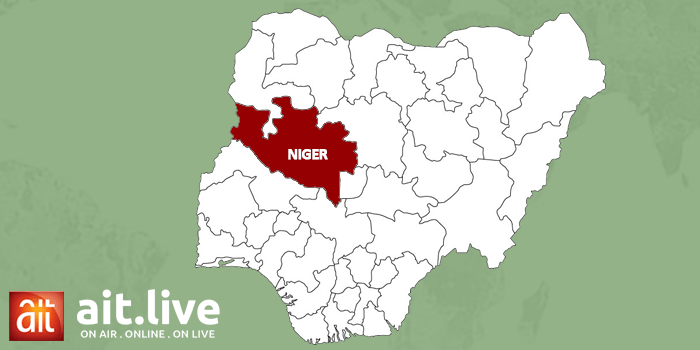
The Niger State Government has inaugurated a Task Force on Illegal Mining, to tackle environmental degradation in the state.
The task force has the mandate to monitor, identify and report the illegal mining sites in the state; monitor, identify and report child labour on mining sites; as well as monitor and report security challenges in mining host communities.
The inauguration of the task force, according to the government, became necessary, because out of a total of 880 registered mining companies, made up of 578 companies, and 302 cooperatives in the state, only about 261 have been profiled.
The Acting Governor, Yakubu Garba, while inaugurating the task force, also mandated them to identify types of mineral titles held by companies, determine compliance with existing mining laws, and examine other matters that may be connected with the successful implementation of the assignments of the task force, among others.
He also added that, with the inauguration of the Task Force, the ban on illegal mining has been suspended conditionally, expressing confidence that the Task Force will enforce regulations, and ensure responsible mining practices.
MUST READ: Labour Leaders Appreciate Adamawa Gov For Implementing New Minimum Wage
The Secretary to the State Government, and Chairman of the Task Force, Abubakar Usman, expressed gratitude for the opportunity to serve, and pledged to work diligently, to meet the terms of reference, and deliver the desired outcomes.
The Director General of Niger State Mineral Resources, Demola Banjo, said the Task Force is long overdue, as the sector has over the years, been exploited without regulation and control.
Members of the task force are the Commissioner for Mineral Resources, Sabo Yahaya as the Co-Chairman, and the Permanent Secretary of the Ministry.
Others are the Commissioner for Homeland Security, Commissioner of Police, Director of DSS, Commandant of NSCDC, Commandant of Vigilante, all 25 Council Chairmen, Secretaries of all 8 Emirate Councils, representatives of the State Assembly, and Judiciary, among others.
(Editor: Paul Akhagbemhe)