


Nigeria’s North West state of Kano is intensifying efforts to push back desertification, which is forcing herder migration from the arid regions down to the food production belts, with attendant violent conflicts and deaths.
With fewer rainfalls and the effects of climate change predicted to make things worse, dry spells resulting in heat waves is putting a strain on lives and livelihoods.
Heat waves and dry spells are common weather conditions in Kano state North West Nigeria.
Geographically situated in the semi arid region of Northern Nigeria, desertification, extreme weather conditions, droughts and flooding are common phenomena here, posing a threat to sustainable living conditions .
Human activities have significantly contributed to the problem.
For example, sand mining and tree felling, according to officials of Kano state government, accounts for a significant threat to the environment.
MUST READ: Benue LG Election: Governor Alia Appreciates Electorates over peaceful conduct
The Agro-Climatic Resilience in Semi-Arid Landscapes (ACReSAL) project which has been on the field with experts in Kano, working on different projects, paints a picture of what living in Kano during the dry period looks like.
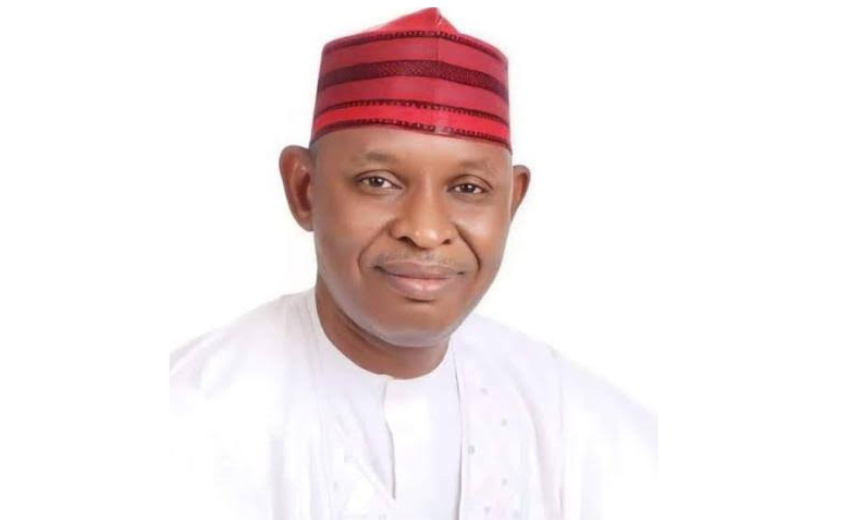
Having identified the challenges, Governor Abba Yusuf in keeping to his campaign promise, in early 2024, has set out with the planting of three million trees.
The trees are already on a fast lane of sprout.
While ACReSAL implements the tree planting projects in rural communities, it also goes with an advocacy to build climate friendly boreholes, land restoration and soil preservation orientation to rural communities.
In addition to the tree planting campaign, the state embarks on free distribution of gas-powered cooking stoves.
To achieve near one hundred percent of its target, the climate change advocacy is being launched in over one hundred schools across the state
So far, engagements are ongoing with local communities including farmers on the use of sustainable manure to grow crops, just as training with miners, engineers, and those in the construction sector are on to adopt climate friendly models of operation.
(Editor: Nkoli Omhoudu)