

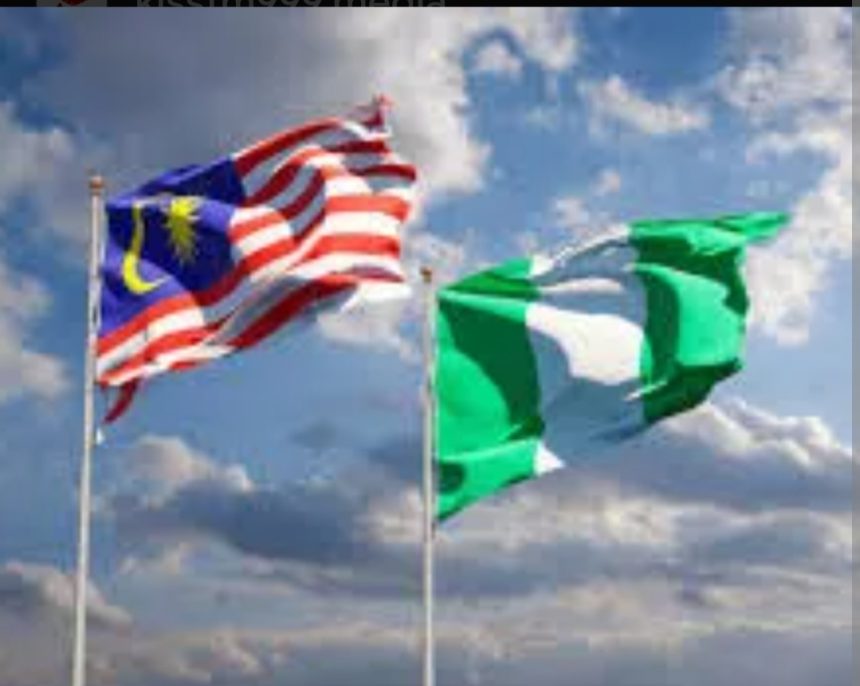
Malaysia is positioning itself as a strategic partner in expanding Nigeria’s access to the global $3.5 trillion halal economy, leveraging its long-standing dominance in halal certification, trade facilitation, and Islamic-compliant industrial standards.
The move aligns with Nigeria’s new National Halal Economy Strategy, aimed at diversifying exports and strengthening non oil trade.
Bilateral trade between both countries has continued to grow, reaching about $1.23 billion in 2025. Nigeria’s exports are largely driven by agricultural raw materials, while imports from Malaysia include processed foods, palm oil technologies, and industrial inputs that support value addition.
At the centre of this renewed engagement is the upcoming Malaysia International Halal Showcase (MIHAS) 2026, scheduled for September in Kuala Lumpur.
Malaysian authorities have said that the platform is designed to connect Nigerian exporters with global buyers, technology providers, and certification experts needed to scale halal compliant production.
Officials, including Malaysia’s High Commissioner to Nigeria, said the focus is on helping Nigerian businesses integrate into structured halal supply chains, improve certification standards, and access ASEAN markets through targeted partnerships and buyer programmes.
With growing participation from West African countries already recorded in earlier editions, MIHAS 2026 is expected to deepen regional integration, while positioning Nigeria as an emerging player in the global halal value chain through improved trade linkages and investment flows.
(Editor: Ken Eseni)