
Nigeria has a huge underage drinking problem. That’s the alarm being sounded in a new NAFDAC report which describes the issue as a growing public health concern.
The National Agency for Food and Drug Administration and Control says far too many children and adolescents are accessing and consuming alcoholic beverages — with some doing so daily.
According to NAFDAC, Nigeria is breeding a nation of alcoholics and they are getting younger and younger.
At least this is what a nationwide survey conducted on behalf of NAFDAC leads us to believe.
It’s a troubling picture: more than half — about 54.3% — of minors and underaged Nigerians report that they are able to buy alcohol on their own, often with no challenge from retailers.
The study — carried out across six states representing all geopolitical zones — found alcohol access is widespread among children, with nearly one in four underaged persons reporting daily alcohol consumption.
GRAPHIC: UNDERAGE DRINKING STATISTICS
- 54.3% of minors buy alcohol themselves
- 25.2% of underaged youths drink daily
- 9.3% of children (under 13) drink daily
(Source: NAFDAC report)
The research also highlights where the situation is most acute.
Rivers State recorded the highest rates of underaged alcohol procurement, with children predominantly buying drinks in inexpensive sachets and small PET bottles — followed by Lagos and then Kaduna State.
These small, cheap packages — often sold at roadside stalls and informal shops — are cited by experts as a major factor in making alcohol accessible and easy to conceal among young people.
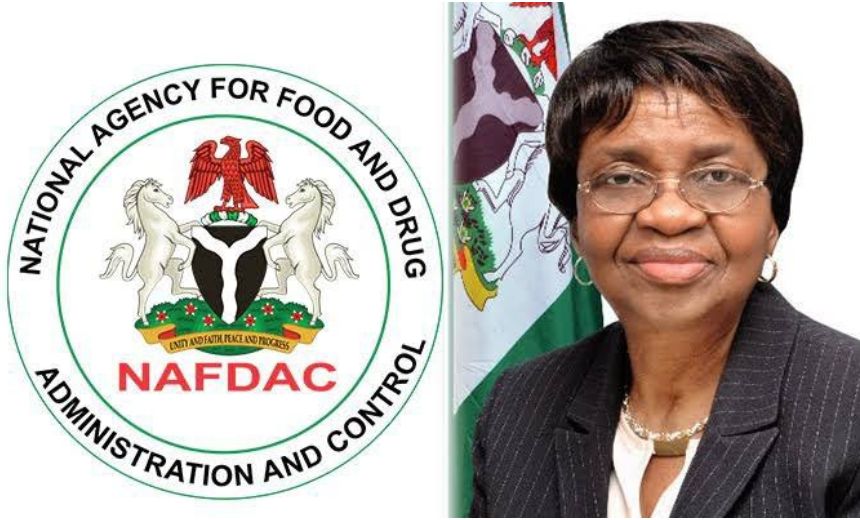
In response, NAFDAC’s Director-General, Prof. Mojisola Christianah Adeyeye, says the agency will enforce measures to curb the sale of alcohol in sachets and bottles under 200ml — packaging critics argue is fuelling underage access.
Prof. Adeyeye emphasised that enforcement alone won’t solve the problem, calling on parents, teachers, religious leaders and communities to take collective responsibility in protecting children from alcohol abuse.
Public health advocates also warn that underage drinking can lead to long-term health issues, risk-taking behaviour, and social problems if left unchecked.
Meanwhile, some industry groups argue that banning small-pack alcohol could hurt livelihoods and economies without addressing underlying issues.
A stark reminder of the challenges facing Nigeria’s youth and the complex balance between public health and economic interests.
(Editor: Anoyoyo Ogiagboviogie)