

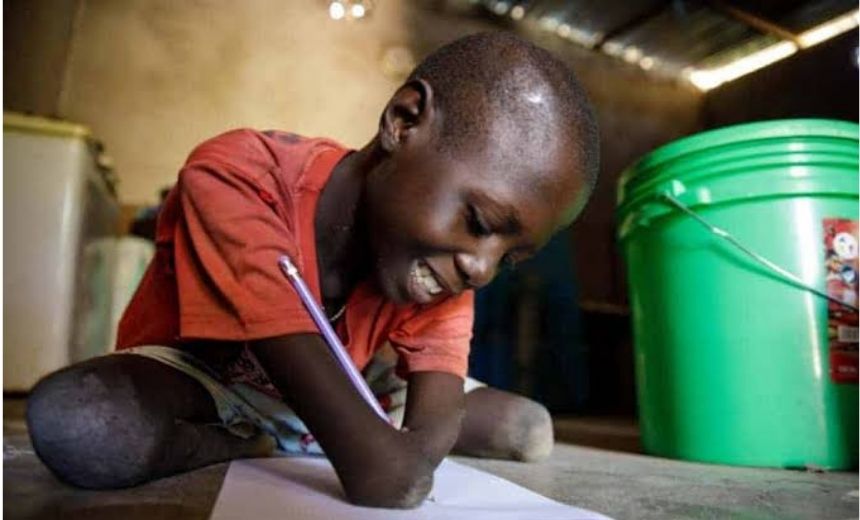
In Nigeria, millions of children with disabilities are shut out of classrooms, playgrounds and opportunity not because they lack ability, but because society fails to make room for them.
At an event to mark the Inclusive Chess Day in Lagos, that exclusion is being challenged as every move made by children with disability on a Chessboard reflects a quiet protest against a system that overlooks their minds, underfunds inclusive education, and treats disability as a limitation rather than a difference.
For the young Nigerians, the Inclusive Chess Day is more than a game, It is a statement that they are seen, they belong, and their mind matters.
The day was designed to remind society that ability is not defined by limitation, as the children make powerful moves, not just on a chessboard, but in life.
It was the Inclusive Chess Day, a celebration of children with disabilities, and a call to action for a more inclusive Nigeria, using the timeless game of chess as a bridge.
For many of the children, chess is more than a game, it is a language, a pathway, and a place where their minds are free.
Onyinye Atuanya is the Principal Consultant at Vulpes Inclusive Engagement. She says Chess naturally connects with how many children with disabilities experience the world even as she called for
broader support, especially in rural areas, to expand the impact.
The General Manager, Lagos State Office For Disability Affairs, Adenike Tunde Lawal says initiatives like this are crucial as they provide opportunities for
children with disabilities to go through foundational training, that could open more doors for them.
For the Chess instructor, the game breaks social barriers and physical limitations effortlessly and for the children participating in this maiden edition, the excitement is unmistakable.
About 20 children, aged 7 to 14, drawn from different disability groups including children with autism, hearing impairment, albinism, and those using wheelchairs participated in the exercise which the organisers say is geared towards building the children’s confidence and opening new possibilities for them.
(Editor: Anoyoyo Ogiagboviogie)