Stakeholders in Nigeria’s oil and gas sector are calling for stronger collaboration and unified regulations to accelerate methane emissions reduction.
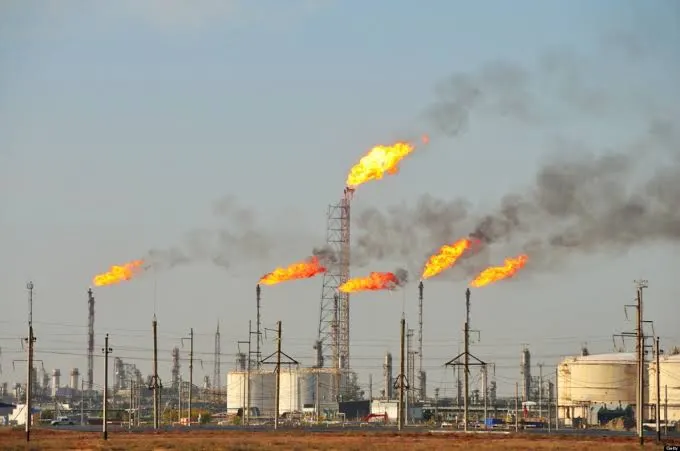
The call was made during a high-level regulatory dialogue convened in Abuja by the Stakeholder Democracy Network SDN, where government agencies, industry leaders, and environmental advocates agreed that cutting methane is one of the fastest and most cost-effective ways to address climate change.
Participants noted that Nigeria must strengthen monitoring systems, harmonise regulatory standards, and adopt data-driven enforcement mechanisms to deliver credible progress.
They also emphasised the importance of sustained partnerships across regulatory bodies and industry operators to ensure emissions are effectively tracked and reduced across the oil and gas value chain.
Discussions at the engagement also highlighted concerns about evolving international trade policies, particularly the European Union’s methane regulations.
Stakeholders warned that unilateral measures could affect Nigeria’s competitiveness in global energy markets if domestic regulatory systems are not strengthened.
With oil and gas remaining a major driver of the national economy, experts say improved emissions management will be critical to balancing climate commitments with industrial growth, energy access, and affordability.
Editor: Ebuwa Omo-Osagie