
The Presidency says significant progress has been made towards the establishment of state police in Nigeria, with a constitutional amendment expected soon to provide the legal framework for its implementation.
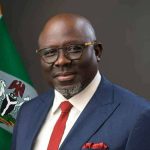
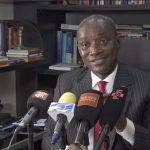
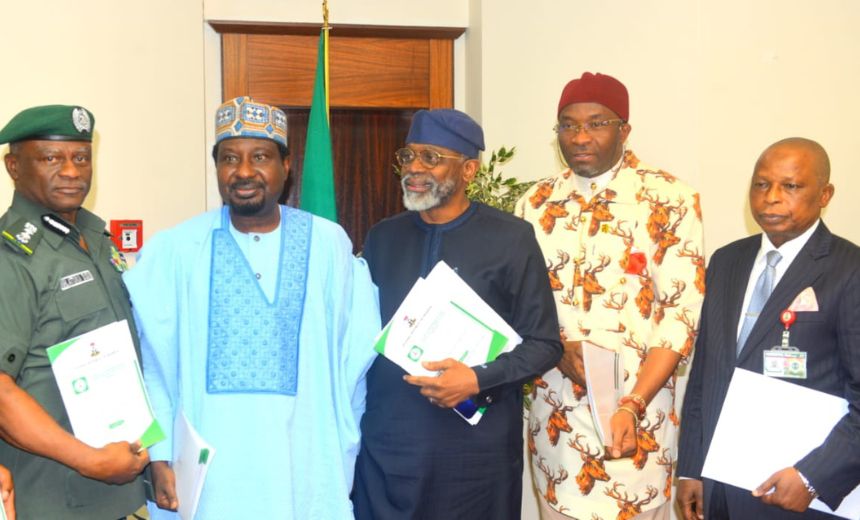
Chief of Staff to the President, Femi Gbajabiamila, made this known on Thursday while briefing State House Correspondents after a consultative meeting on state police held at the Presidential Villa, Abuja.
According to Gbajabiamila, deliberations on the proposed state police structure began several months ago following a directive from President Bola Tinubu and have now reached an advanced stage.
He explained that the creation of state police requires extensive constitutional and legal considerations, stressing that the process cannot be rushed.
Gbajabiamila noted that discussions among the Presidency, the National Assembly and security agencies have focused on developing a workable framework that would ensure the effective operation of state police across the country.
MUST READ: UN Condemns Abduction of School Children, Teachers in Oyo, Borno
He revealed that attention is now centred on the constitutional amendment required to establish state police, while the enabling legislation would be developed afterwards.
The Chief of Staff said the conversation has moved beyond whether Nigeria should have state police, adding that there is broad support for the initiative.
He stated that the current focus is on putting in place the necessary legal and institutional safeguards to ensure its success.
Gbajabiamila said President Tinubu, who has consistently advocated for state police as part of efforts to strengthen the country’s security architecture, would receive a comprehensive report on the outcome of the meeting.
The Federal Government has maintained that the establishment of state police would improve grassroots security, strengthen intelligence gathering, and enhance the ability of state governments to respond to local security challenges.
Thursday’s meeting forms part of ongoing consultations by the Federal Government aimed at developing a consensus-driven framework for decentralised policing in Nigeria.
Those in attendance included Deputy President of the Senate, Jibrin Barau, Deputy Speaker of the House of Representatives Benjamin Kalu, Inspector-General of Police Olatunji Disu, Attorney-General of the Federation and Minister of Justice Lateef Fagbemi, as well as other senior government officials.
The push for state police has gained momentum amid growing calls for reforms to Nigeria’s security system to address emerging threats and improve the protection of lives and property across the country.
(Editor: Terverr Tyav)