


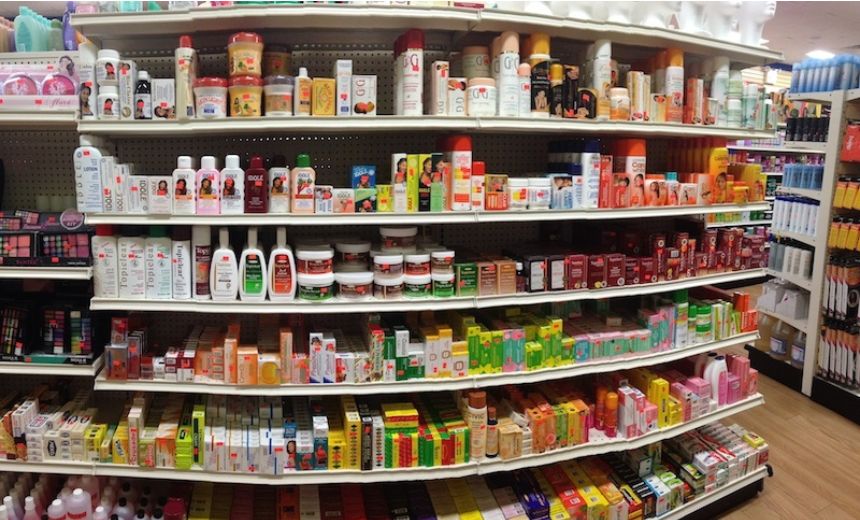
Across Nigeria, the booming skincare industry continues to spark conversations about beauty, health, and identity.
From markets and beauty stores in Lagos to cosmetic shops in the nation’s capital Abuja, skincare and skin-lightening products have become a major part of everyday beauty routines.
Experts say some skincare products can be highly effective when properly formulated and used correctly.
Quality creams and treatments can help manage acne, dark spots, sun damage, and other skin conditions, helping users maintain healthier skin.
However, the growing demand for lighter skin tones has also fueled the widespread use of bleaching products.
This raises important questions:
Why do many black Africans feel the need to lighten their natural skin tone?
MUST READ: Global Terrorism Ranking: Nigeria Occupies 4th Position
In a country like Nigeria, where strong sunlight and tropical weather naturally influence darker skin pigmentation, medical experts say the skin’s melanin actually serves as protection against the sun.
Using the wrong cream products can lead to severe skin damage, including thinning of the skin, stretch marks, burns, discoloration, and increased sensitivity to sunlight.
In more serious cases, prolonged misuse of certain products may lead to infections, organ stress, or other long-term health complications.
Despite these risks, the skincare industry in Nigeria continues to grow rapidly.
Local specialists and manufacturers say the business brings economic opportunities, but also challenges including consumer misconceptions, regulation concerns, and the pressure to produce safe and effective products in a highly competitive market.
Health professionals are advising Nigerians to carefully research skincare products, understand their skin type, and seek guidance from trained specialists before using any strong cosmetic treatments.
The message remains clear: healthy skin should always come before beauty trends.
(Editor: Ebuwa Omo-Osagie)