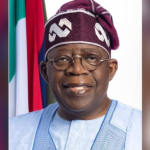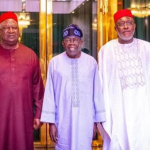


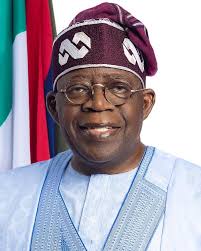
Nigeria’s voice on the global stage risks getting drowned out due to the continuous inability of the country to deploy its ambassadors abroad.
For over two years, dozens of the country’s diplomatic missions have sat vacant – a void that has since generated intense debate over the foreign policy direction of President Bola Tinubu.
Despite the recent ambassadorial nominations and their confirmation by the Senate, a full team of ambassadors has yet to be assigned portfolios asides the three sent to France, the United States and the United Kingdom.
So why the delay?
It has been over two years since President Tinubu ordered a mass recall of envoys in September 2023. This move left 109 missions – including 76 embassies, 22 high commissions, and 11 consulates—without top-tier representation.
While chargés d’affaires have been holding the fort, experts warn that a placeholder is no substitute for a fully accredited ambassador when it comes to high-stakes diplomacy.
The delay is being blamed on a number of political and financial hurdles. President Tinubu has admitted that finding the right mix of nominees to balance political and national interests is a delicate task.
However, Foreign Affairs Minister, Yusuf Tuggar, pointed to a more pragmatic obstacle – paucity of funds. While the government cites economic headwinds, critics argue the delay reflects a misalignment of national priorities.
MUST READ:President Tinubu nominates 21 board members for NMDPRA, NUPRC
Towards the end of 2025, President Tinubu finally released a list of career and non-career ambassador-nominees. In December, 68 of them were confirmed by the Senate.
But two months down the line, only four postings were announced. Ayodele Oke to France; Lateef Are to the United States, Amin Dalhatu United Kingdom and Usman Dakingari to Türkiye. Dakingari’s posting would later be rescinded by the Presidency.
The Ministry of Foreign Affairs admitted that even after Senate confirmation, the finish line remains distant.
The process of obtaining “Agrément”, which is the formal consent from a host nation, can take anywhere from six months to a year, involving rigorous background checks that Nigeria simply cannot bypass.
But for analysts like Professor Jonathan Aremu and Dr. Tunji Asaolu, the clock is ticking loudly.
They argue that without ambassadors, Nigeria is effectively absent from the room where global decisions are made.
This vacuum directly hampers economic diplomacy, stalling trade negotiations and investment deals that are critical for national growth.
The impact is also felt by Nigerians in the diaspora. From visa disputes in the U.S and UAE to deteriorating consular support, the lack of high-level intervention is taking its toll.
Experts worry that the apparent casual approach to foreign relations signals a retreat from Nigeria’s role as Africa’s diplomatic anchor, potentially prompting other nations to downgrade their ties with Abuja.
It is a complex diplomatic puzzle with high stakes. As Nigeria navigates an increasingly volatile global landscape, the swift deployment of competent ambassadors isn’t just a formality – it is a necessity to safeguard national interests and reclaim Nigeria’s seat at the table.
(Editor: Terverr Tyav)