

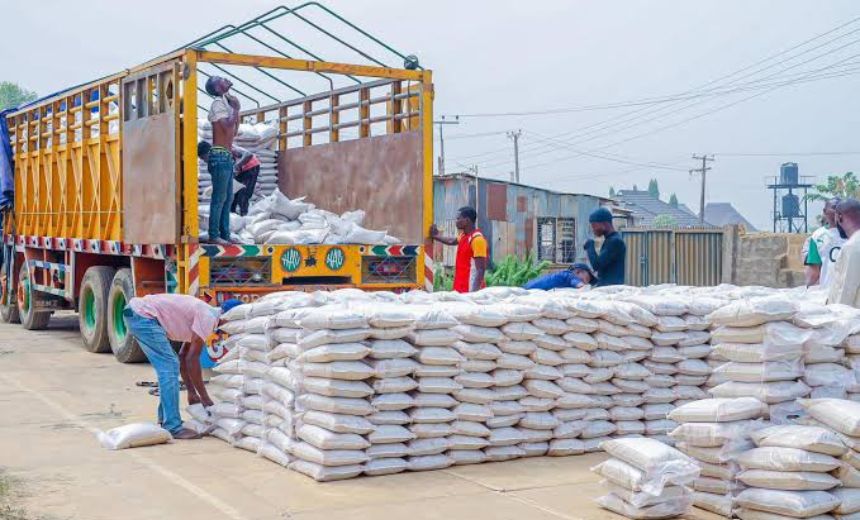
The Prices of Rice in Nigeria have significantly increased over time, with a sharp rise from N7,500 in 2015 to N105,000 in 2024 and N95,000 in 2025.
This recent shift in prices gave the impression that government’s move to reduce food prices are starting to yield results. However, the price of the staple still outpaced minimum wage, making it unaffordable for many.
Nigeria’s rice production capacity stands at 7 million metric tonnes, while consumption is put at 10.5 million metric tonnes annually.
The significant gap of 3.5 million metric tonnes between demand and supply gives rise to reliance on imports.
The deficit, coupled with factors like high population growth, climate change, Naira devaluation, insecurity in farming communities and preference for imported rice, contributes to high prices and affordability challenges for many Nigerians.
In its move to cut down prices, government had over the years introduced many policies to boost local rice production and achieve food security.
One of the recent decisions by the government was the import waiver granted to selected food producers for the importation of some essential food items, including maize, rice, and sorghum, among others, to import between July 2024 and the first quarter of 2025.
The waiver, was aimed at reducing the cost of key food items hoping that it would provide economic relief to millions of Nigerians struggling with high cost of living.
Though the Federal Government has always claimed increase in local rice production, available information shows that the claim is only on paper, and far from reality, as the country still ranks as third highest importer of the grain, in spite of its enviable position as Africa’s biggest rice producer and a leading figure in the commodity production, globally.
Recent studies by the U.S. Department of Agriculture’s (USDA) Rice Outlook report, shows that Nigeria is on the verge of becoming the world’s largest importer of the commodity going by the expanding demand gap.
This development places the country at the centre of a global rice trade projected to reach around 52.85 million tons, signaling a significant opportunity for rice exporters, particularly from Asia and other continents.
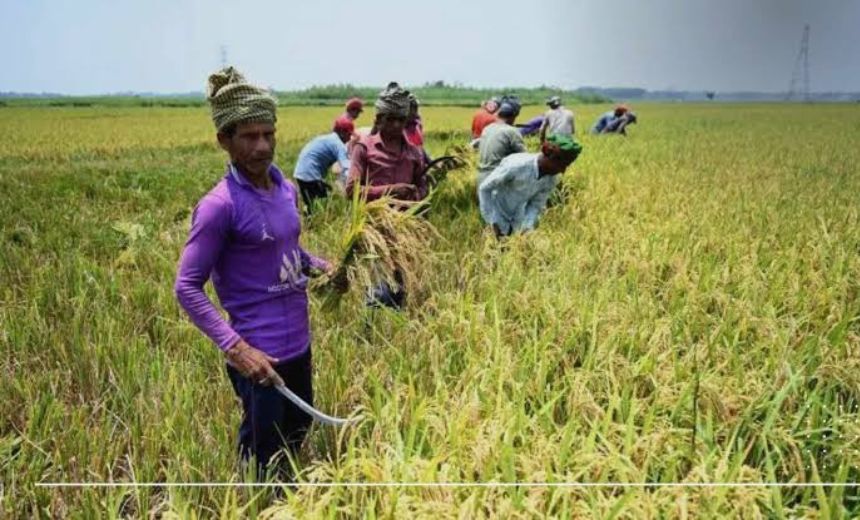
As part of moves to attain self-sufficiency in rice production, the Federal Government, over the years, introduced measures aimed at boosting the capacity of local farmers, but the outcome appears not commensurate with the investments.
Some of the policies include ban and restrictions on rice importation, targeting both land borders and seaports in October 1985 under the President Ibrahim Babangida regime, and in January 2011, under President Goodluck Jonathan.
Four years after, July 2015 to be precise, a full ban on rice imports was introduced to promote self-sufficiency. However, this was partially lifted after barely three months in October 2015, allowing imports through land borders upon payment of duties.
The ban was reintroduced in March 2016 lead to the restriction of rice imports exclusively through seaports with a 10 per cent tariff and a 60 per cent levy, translating to a total of 70 per cent on imported rice.
In April 2023, the government released the Import Adjustment Tax list for 2023 Fiscal policy measures, the previous policy of 70 per cent import duty was revised for importing paddy, and the government imposed a 10 per cent import duty and a 50 per cent levy.
In July 2024, the Federal Government, through the Customs Service, announced a temporary waiver of all import (and associated levy) taxes for some food commodities, including rice.
As a result, husked brown rice import tariffs and duties went from 20 per cent to 0 per cent.
This step was taken to ease food inflation, which had reached a peak of approximately 41 per cent in 2024.
However, despite these policies, local production capacity was fast plummeting, creating huge demand and supply gap while opening the window for further reliance on imports to bridge the supply deficit.
This development has given rise to some experts recommending initiatives that governments can adopt with holistic implementation to improve productivity.
Widespread insecurity in major rice-producing states, climate change variability and Naira devaluation are no doubt, factors that have significantly impacted the availability and affordability of rice, with experts raising concerns about food security and affordability for consumers nationwide.
(Editor: Anoyoyo Ogiagboviogie)