
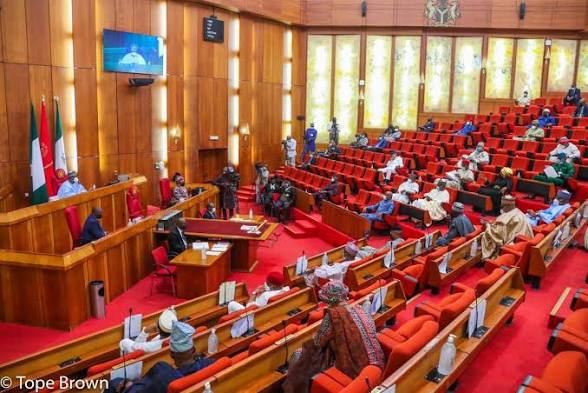
The Senate has reversed part of its amendment to the Senate Standing Orders 2026, rescinding changes relating to oath-taking and participation in proceedings by senators-elect in electing presiding officers
The reversal, however, does not affect the newly amended Order 5(a), which restricts eligibility for the offices of President of the Senate and other principal officers to senators who will be re-elected from the 10th Assembly into the 11th Assembly.
Barely two days after amending its rules, the Senate revisited the provisions of Order 2(2) and Order 3(1), following concerns over possible constitutional inconsistencies.
Under the now-rescinded Order 3(1), senators-elect were barred from participating in any proceedings of the Senate, including voting for the election of the President of the Senate and Deputy President of the Senate, until they had taken the oath prescribed in the Constitution.
The amended Order 2(2) had also outlined procedures for the Clerk to the National Assembly, including roll call, confirmation of election writs, declaration of assets and liabilities by senators-elect, and confirmation of quorum before proceedings.
Moving the motion for rescission, Senate Leader, Opeyemi Bamidele, said further legislative and constitutional review showed the amendments could conflict with provisions of the 1999 Constitution, particularly Section 52.
Bamidele stated that the Senate must ensure its rules align with constitutional provisions, parliamentary conventions, and established legislative practice.
According to him, the Senate possesses the parliamentary authority to revisit and recommit matters previously decided upon in order to preserve the integrity of its proceedings.
The motion was seconded by Senator Enyinnaya Abaribe.
Presiding over plenary, Deputy President of the Senate, Barau Jibrin, described the motion as straightforward, saying the rescission is necessary to ensure the Senate’s actions conform with the Constitution.
Following a voice vote, the Senate approved the motion.
Shortly after the decision, Senator Adams Oshiomhole raised a point of order, warning against suppressing dissenting opinions during legislative proceedings.
Oshiomhole argued that lawmakers should be allowed to debate such matters openly in the future.
But Senate Leader Opeyemi Bamidele pushed back, cautioning senators against turning proceedings into what he described as unnecessary drama, while insisting that proper parliamentary procedures must be followed in line with Senate rules.
(Editor: Terverr Tyav)