
United Nations General Assembly has overwhelmingly voted to recognise the transatlantic slave trade as the gravest crime against humanity, with 123 member-states supporting the resolution.
Ghana introduced the resolution, calling for reparations and apologies from countries involved in the slave trade.
The resolution acknowledges the lasting impact of slavery, including racial inequalities and underdevelopment, affecting Africans and people of African descent worldwide.
The resolution was opposed by Argentina, Israel, and the U.S, while 52 countries, including Britain, Portugal, and Spain, abstained from voting. Nigeria and other African countries voted in support of the resolution.
Ghana’s President John Mahama described the resolution as “historic” and a safeguard against forgetting the atrocities of the slave trade.
The resolution emphasises the importance of addressing historical wrongs and promoting justice, human rights, and dignity for Africans and people of African descent. It also calls for the return of cultural artifacts stolen during the colonial era to their countries of origin.
Ghana also asked UN members involved to consider apologising for the slave trade and asked for reparations fund that will be used to repair the damage caused by the slave trade.
The transatlantic slave trade represents one of the darkest chapters in human history, marked by the systematic exploitation, displacement, and dehumanisation of millions of Africans.
An estimated 15 million Africans were forcibly transported across the Atlantic between the 15th and 19th centuries. Many died during the Middle Passage, while survivors were subjected to forced labour and systemic abuse in the West.
The resolution noted that the impact of slavery persists in the form of racial inequalities and underdevelopment, “affecting Africans and people of African descent in all parts of the world.”
Mahama earlier spoke ahead of the vote, on behalf of the 54-member African Group, the largest regional bloc at the UN.
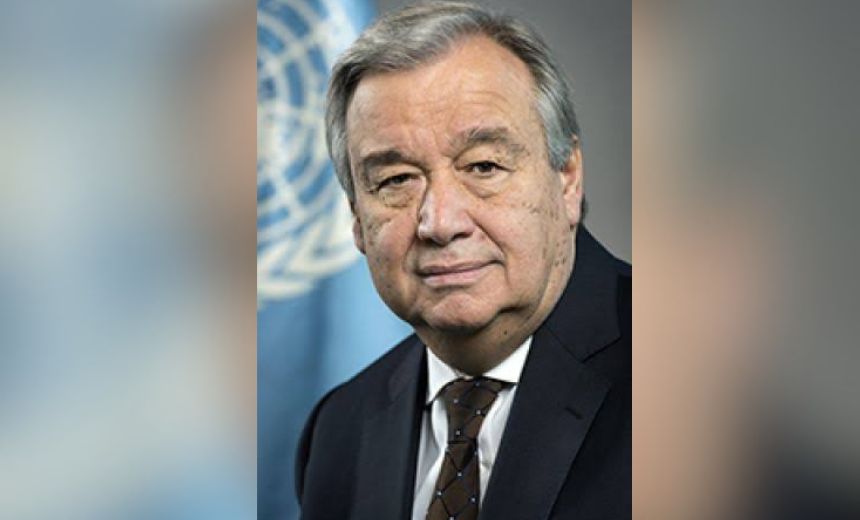
UN Secretary-General, António Guterres and UN General Assembly President, Annalena Baerbock called for confronting slave trade’s lasting legacies of inequality and racism.
Guterres and Baerbock urged countries to drive action to eradicate systemic racism, ensure reparatory justice and accelerate inclusive development, marked by equal access to education, health, employment, housing, and a safe environment.
Speaking on why the U.S voted against the resolution, the U.S representative to the UN Economic and Social Council, Dan Negrea, said the U.S “does not recognise a legal right to reparations for historical wrongs that were not illegal under international law at the time they occurred.”
(Editor: Terverr Tyav)