
Nigeria’s voter register has risen to more than 103 million ahead of the 2027 general elections, with the Independent National Electoral Commission (INEC) announcing new measures to strengthen election technology, combat illegal campaign financing and tackle the growing threat of social media disinformation.
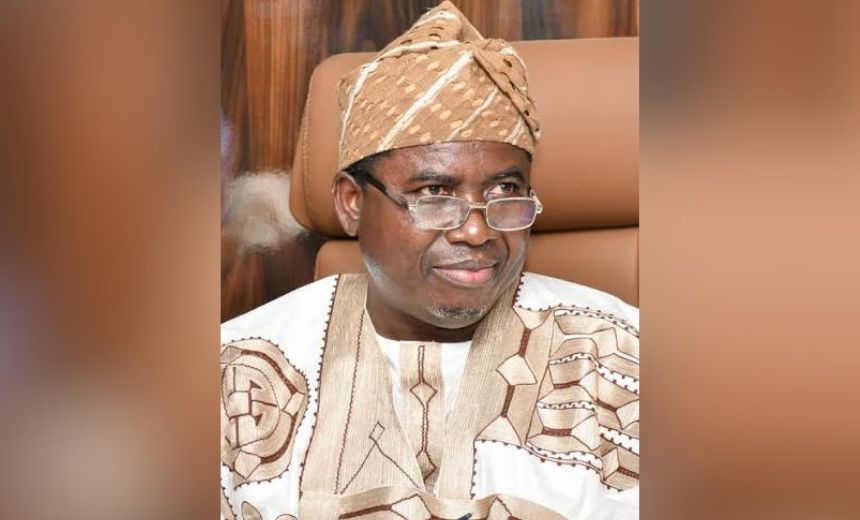
INEC Chairman, Professor Joash Amupitan, disclosed this on monday in Abuja while speaking at a strategic workshop with media executives organised by the Nigerian Guild of Editors in collaboration with the commission.
Amupitan says the commission had completed eight of the 14 major statutory activities contained in its timetable for the elections as the countdown to the polls intensifies.
Amupitan says the three-phase Continuous Voter Registration exercise attracted 10,772,421 new registrants, subject to final verification, adding that the first phase, conducted between August and December 2025, registered 2,611,266 voters, while the second phase, which ran from January to April 2026, recorded 4,121,835 new registrants.
The third phase, conducted from May 11 to July 26, 2026, recorded another 3,867,997 registrations.
Following the completion of the exercise and the Automated Biometric Identification System (ABIS) cleanup, Amupitan says Nigeria’s National Register of Voters had now crossed the 103 million mark.
He announced the preliminary display of the voter register for claims and objections would take place nationwide from October 9 to 15, 2026.
The INEC chairman also says nationwide collection of Permanent Voters’ Cards would commence on Friday, October 9, 2026 as he explains that newly produced PVCs would be distributed to Local Government Area collection centres.
He disclosed that the commission has introduced printable PVC technology to reduce the lengthy waiting period traditionally associated with the production and collection of voters’ cards.
In another development, the INEC Chairman disclosed that the Commission had acquired 57,000 new Bimodal Voter Accreditation System (BVAS) machines as part of efforts to strengthen the technological infrastructure supporting the elections as the commission had deliberately chosen to improve and upgrade existing electoral technologies rather than introduce untested systems shortly before the elections.
(Follow AIT News on WhatsApp, AfricaIndependentTV on YouTube, ait_online on Facebook and X (Formerly Twitter), and officialait on TikTok, Instagram and Threads)
(Editor: Anoyoyo Ogiagboviogie)