

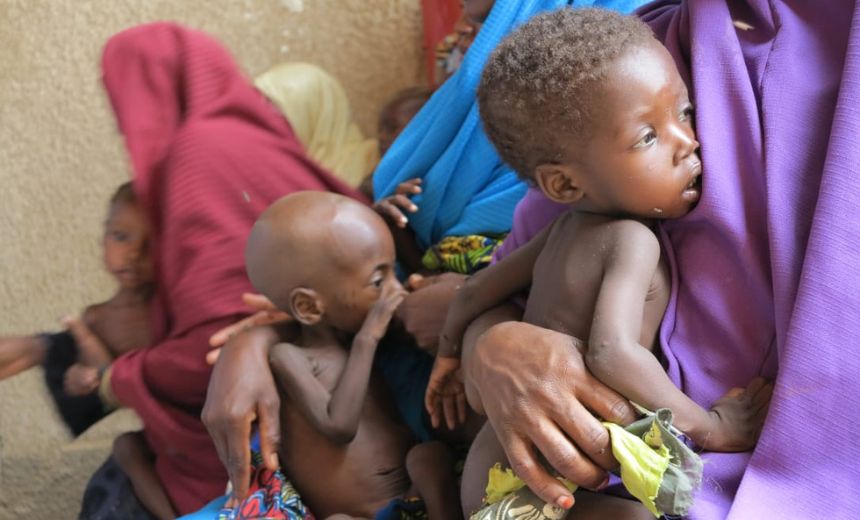
Nigeria is facing a deepening food and nutrition crisis, with about 26.8 million people, including 756,815 internally displaced persons across 26 states and the Federal Capital Territory, currently experiencing hunger crisis.
And the situation could get worse.
An estimated 33.5 million people are projected to face severe or acute food and nutrition insecurity between June and August 2027 if urgent interventions are not implemented. These alarming figures are contained in the United Nations Food and Agriculture Organization’s Cadre Harmonisé 2026 report.
The figures paint a troubling picture of Nigeria’s food security situation, with millions of households struggling to access sufficient and nutritious food. According to the report, the crisis cuts across 26 states and the Federal Capital Territory, with Borno, Yobe, Zamfara, Sokoto, Kaduna, Katsina, Kwara and Adamawa identified as areas experiencing catastrophic hunger conditions.
Behind these numbers are families battling daily to put food on their tables, farmers whose livelihoods have been disrupted and communities struggling to recover from persistent insecurity.
The report identifies conflict and insecurity in farming communities as major drivers of the crisis, disrupting agricultural activities, displacing farmers and limiting access to farmlands.
Rising fuel prices, climate shocks and high food inflation have further compounded the situation, making food increasingly unaffordable for millions of Nigerians.
MUST READ: Zamfara Reports 38 Cases Of Strange Illness In Shinkafi, Moriki
With the projection of 33.5 million people facing acute food and nutrition insecurity in the coming lean season, the report underscores the urgency of coordinated action to prevent further deterioration.
Beyond emergency food assistance, addressing the root causes will require improved security in farming communities, increased agricultural production, climate-resilient farming practices and measures to make food more affordable and accessible.
For Nigeria, the challenge is no longer just about producing enough food, but ensuring that millions of vulnerable citizens can actually afford and access it. As the country confronts this growing humanitarian and food security challenge, the question remains: how quickly can urgent interventions translate into food on the tables of millions of Nigerians before the crisis deepens further?
(Follow AIT News on WhatsApp, AfricaIndependentTV on YouTube, ait_online on Facebook and X (Formerly Twitter), and officialait on TikTok, Instagram and Threads)
(Editor: Terverr Tyav)