
The Nigerian Midstream and Downstream Petroleum Regulatory Authority, NMDPRA, says it does not determine or fix the retail price of petrol under the Petroleum Industry Act, PIA
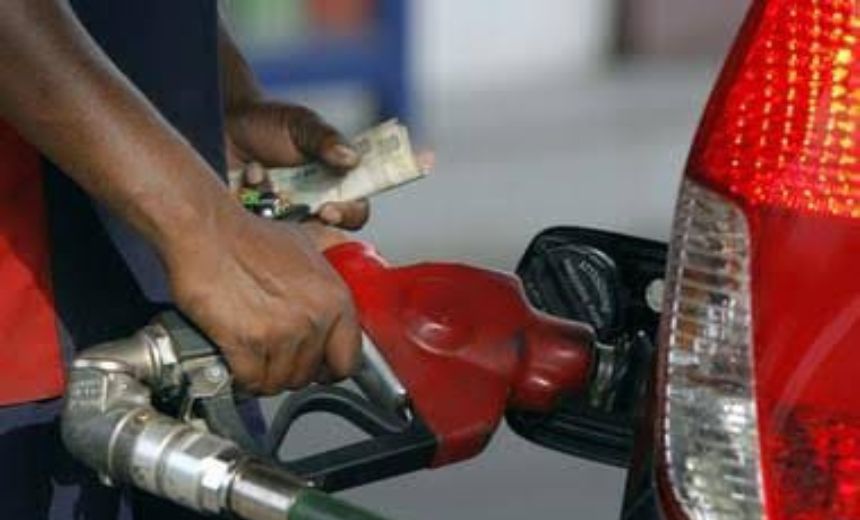
The clarification comes amid growing concerns over the recent increase in pump price of Premium Motor Spirit, PMS, popularly known as petrol and the financial pressure on households, transport operators and businesses.
The NMDPRA says the current petrol pricing regime is governed by the Petroleum Industry Act of 2021, which provides for unrestricted free-market pricing of petroleum products.
The Authority, in a statement, says Section 205 of the PIA does not empower it to fix pump prices or issue administrative price templates.
It explains that government intervention in petroleum product pricing is restricted to exceptional circumstances where there is formal evidence of market failure.
MUST READ: Police Officer On Life Support From Mob Attack In Benue State
According to the NMDPRA, no such market failure has been declared.
However, the Authority says deregulation does not give petroleum marketers a free hand to engage in anti-competitive or exploitative practices.
It cites Section 216 of the PIA, which empowers the regulator to prevent price-fixing, anti-competitive practices and abuse of market dominance.
Against this backdrop, the NMDPRA says it is strengthening collaboration with the Federal Competition and Consumer Protection Commission, FCCPC, to monitor the downstream petroleum market.
The joint surveillance is aimed at detecting alleged price-gouging, collusion, under-dispensing and compromised fuel quality.
The regulator is also working with the Nigeria Customs Service and other security agencies to intensify surveillance along border corridors to curb illegal diversion and smuggling of petroleum products.
The Authority says dedicated public reporting channels are also being opened to allow consumers and industry stakeholders to report irregular pricing and other exploitative practices for investigation and possible enforcement.
The clarification comes as Nigerians continue to contend with the impact of rising petrol prices on transportation costs, household expenses and the wider economy.
(Follow AIT News on WhatsApp, AfricaIndependentTV on YouTube, ait_online on Facebook and X (Formerly Twitter), and officialait on TikTok, Instagram and Threads)
(Editor: Terverr Tyav)