

Beyond the colourful dances, traditional displays and celebration of cultural heritage, the New Yam Festival represents something much deeper to the Igbo people of South-East Nigeria: gratitude for the harvest, respect for agriculture and the enduring importance of yam as a symbol of life, prosperity and communal identity.
In Igbo land, the annual celebration brings together traditional rulers, sons and daughters of the community and other stakeholders to celebrate the harvest season.
But beyond the festivities lies an important agricultural message: Nigeria must do more to harness the enormous economic and food security potential of yam production.
The drums beat, the dancers take their positions, and the community comes alive. For the Igbo people, this is more than another cultural gathering. It is a moment to celebrate the land, appreciate the farmers and give thanks for the blessings of a successful planting and harvesting season.
The symbolic presentation and cutting of the new yam mark the significance of the harvest, while the occasion provides an opportunity for families and communities to reconnect with their roots. For the traditional institution, however, the celebration also carries a message of responsibility.
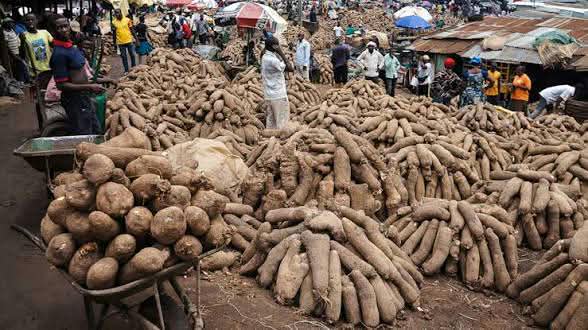
The emphasis on preserving tradition comes at a time when agriculture is increasingly recognised as critical to Nigeria’s economic recovery and food security. And yam occupies a special place in that conversation. From pounded yam and yam porridge to roasted and boiled yam, the tuber remains one of Nigeria’s most important staple foods, supporting millions of households and providing income for farmers, traders, processors and other players across the agricultural value chain.
Nigeria is one of the world’s leading yam-producing countries, accounting for about 67% of global production, according to figures presented by the Federal Government at the National Yam Advocacy Summit in February 2026. Yet, despite this impressive production capacity, the country continues to face challenges in meeting its growing domestic demand.
Recognising this potential, the Federal Government says it is targeting an increase in yam productivity from about 10 metric tonnes per hectare to 30 metric tonnes per hectare, while reducing post-harvest losses from 40% to 25% by the end of 2027.
The initiative is expected to improve farmers’ incomes, strengthen food availability and position Nigeria to take greater advantage of the international yam market. But achieving these targets will require more than policy announcements.
Access to improved planting materials, modern farming equipment, affordable finance, extension services, storage facilities and reliable markets will be critical to unlocking the full potential of the yam value chain.
The New Yam Festival offers an opportunity to reconnect cultural celebration with agricultural development. The fertility of the land and the agriculture heritage of the people present an opportunity to expand yam cultivation, create jobs for young people and strengthen rural economies. It is also a reminder that agriculture must not be left in the hands of an ageing generation of farmers.
Young people need to see farming not merely as a traditional occupation, but as a viable business capable of generating wealth, creating employment and contributing to national development. As the people celebrate the new harvest, the message resonates far beyond Igbo land.
The New Yam Festival is a celebration of food, culture, gratitude and community. But it is also a reminder of the enormous agricultural wealth Nigeria possesses and the opportunities that can emerge when that wealth is properly harnessed.
For a country battling food insecurity and rising food costs, perhaps the greatest lesson from this celebration is that preserving agricultural heritage must go hand in hand with investing in its future.
Because every yam harvested represents not just a cultural tradition, but also food on the table, income for a farmer and another opportunity to strengthen Nigeria’s food security.
(Follow AIT News on WhatsApp, AfricaIndependentTV on YouTube, ait_online on Facebook and X (Formerly Twitter), and officialait on TikTok, Instagram and Threads)