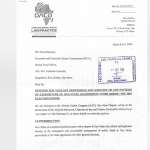



The Pharmacy Council of Nigeria (PCN) has dismissed allegations that it is shielding drug dealers and facilitating the distribution of illicit substances in Kano State, describing the claims as unfounded and misleading.
In a press statement signed by Pharm. Hasiya Ladan, Consultant Pharmacist at the PCN Kano State Office, on behalf of the Registrar and Chief Executive Officer, the Council said the allegations were baseless and capable of undermining the work of regulatory agencies.
The statement, issued on November 14, 2026, was in response to allegations by the Chairman of the Kano State Multi-Agency Taskforce on Drug Abuse and Illicit Trafficking, Muhuyi Magaji Rimin Gado, who accused the PCN and the National Agency for Food and Drug Administration and Control (NAFDAC) of aiding illegal drug distribution in the state.
The Taskforce Chairman had also questioned the registration of a pharmaceutical outlet at No. 10 Apple Avenue, Kano, alleging that the premises was being used as a concealed distribution point for controlled medicines.
However, the PCN maintained that its regulatory activities are guided by the Pharmacy Council of Nigeria Establishment Act 2022 and other relevant laws, insisting that it has the statutory responsibility for regulating pharmaceutical premises and businesses across the country.
The Council explained that its licensing process involves established inspection committees chaired by Directors of Pharmaceutical Services in state ministries of health, with participation from pharmacists and other qualified inspectors.
It dismissed suggestions that its operations were constrained by the number of personnel in its Kano office, stating that it has the capacity to mobilise additional human resources when necessary.
On the allegation involving pregabalin import licences, the PCN clarified that it is responsible for issuing import licences to pharmaceutical companies, while NAFDAC handles product permits specifying the categories and quantities of products authorised for importation.
The Council also maintained that the registration of pharmaceutical premises in residential areas is not prohibited under its existing regulations, provided such facilities meet other stipulated requirements.
Giving an account of its enforcement activities in 2026, the PCN disclosed that its national enforcement team had visited 11 states, including Kano, where it conducted two operations in April and September.
According to the Council, a total of 9,908 pharmaceutical outlets were inspected nationwide, with 6,838 sealed for various regulatory offences.
In Kano State alone, it said 2,304 outlets were visited, while 1,631 were sealed, with 15 investigations still ongoing.
The PCN further clarified that the Coordinated Wholesale Centre initiative was introduced by the federal government to address the challenges associated with open drug markets and was specifically designed to relocate identified and verified vendors operating in such markets.
It rejected claims that the registration of independent pharmaceutical wholesalers and distributors undermined the objectives of the initiative.
The Council also denied allegations that some of its personnel were involved in clandestine drug businesses, challenging the Taskforce Chairman to provide evidence to support the claims.
It said allegations of misconduct involving its staff would be taken seriously and investigated if credible evidence was presented.
The PCN added that it works with NAFDAC, the United Nations Office on Drugs and Crime and other stakeholders to monitor the distribution of controlled medicines through the use of Disposal of Poison Records, commonly known as Form K.
The Council reaffirmed its commitment to regulating pharmaceutical practice and tackling the circulation of illicit drugs while calling for cooperation among relevant agencies in the interest of public safety.
(Follow AIT News on WhatsApp, AfricaIndependentTV on YouTube, ait_online on Facebook and X (Formerly Twitter), and officialait on TikTok, Instagram and Threads)
(Editor: Ebuwa Omo-Osagie)