
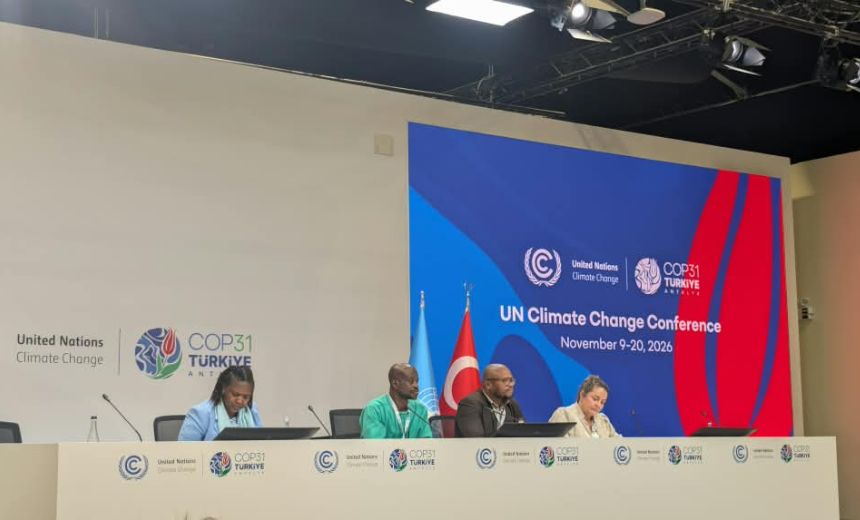
Fresh concerns have emerged over the second draft of the COP31 cover decision, with climate campaigners describing its provisions as weak, particularly on adaptation finance and the transition away from fossil fuels.
The revised nine-page document has dropped all explicit references to fossil fuel phase-out contained in the earlier draft, while retaining a proposal to triple adaptation finance by 2035 without specifying a concrete financial commitment.
From 18 pages and 144 paragraphs to just nine pages and 80 paragraphs, the second draft of the COP31 cover decision has significantly narrowed the scope of proposed outcomes.
But for Africa and other vulnerable developing nations, the concern is not just what has been removed, but what remains unresolved.
While the draft reaffirms the 1.5-degree Celsius temperature goal and proposes an Antalya-to-Addis Ababa Adaptation and Resilience Finance Roadmap, it omits the proposed $120 billion annual adaptation finance target by 2035.
It also removes explicit references to transitioning away from fossil fuels, raising questions about the ambition of the negotiations.
Adaptation campaigners say the omission of a strong financing commitment could undermine the survival of vulnerable communities.
“We came here demanding tripling of adaptation finance and progressing towards a more needs-based adaptation finance approach… however, the latest iteration of the text on the GGA has no strong mention of tripling,” says Adaptation Lead of CAN International, Pooja Dave. She insists that adaptation finance must remain central to the final outcome, describing it as a matter of people’s survival.
But COP31 President, Murat Kurum, says the presidency is working towards the most ambitious outcome that consensus among parties will allow. He maintains that the Paris Agreement remains effective, arguing that the challenge is accelerating implementation.
“The issue is speed or lack of speed, and that is why COP31 is so important. This is about accelerating implementation based on the direction that the Paris Agreement has set, and there is no alternative,” Kurum added.
On the removal of fossil fuel phase-out language, Kurum insists that the commitment adopted at COP28 remains intact, arguing that the priority now is how quickly countries implement it.
For Africa, however, the question of implementation cannot be separated from the availability of adequate and affordable finance.
MUST READ: INEC Flags Security Hotspots, Urges Peaceful 2027 Elections in Cross River
Chair of the African Group of Negotiators, Nana Antwi-Boasiako Amoah, says the continent is pushing for highly concessional financing and grants rather than instruments that deepen its debt burden.
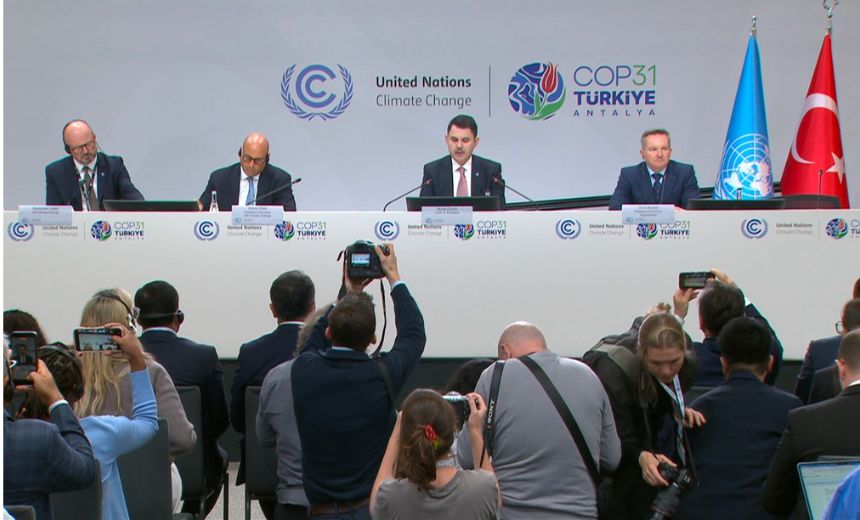
“We are not just asking, we are only reminding those who have an obligation to honour those obligations. Because an obligation is an obligation,” says Chair of the African Group of Negotiators, Nana Antwi-Boasiako Amoah.
With negotiations continuing across multiple mandated agenda items, African negotiators remain hopeful that further concessions could still be reflected in the final text.
But as COP31 approaches its closing stages, the test will be whether the final agreement delivers concrete financing commitments and stronger implementation measures, rather than another set of promises.
“This story was produced as part of the COP31 Climate Change Media Partnership, a journalism fellowship organized by Internews’ Earth Journalism Network, Informed Earth and the Stanley Center for Peace and Security”
(Follow AIT News on WhatsApp, AfricaIndependentTV on YouTube, ait_online on Facebook and X (Formerly Twitter), and officialait on TikTok, Instagram and Threads)
(Editor: Terverr Tyav)