

For millions of Nigerians tired of epileptic power supply and rising fuel costs, solar energy is more than just an alternative, it’s a lifeline.
Now, energy experts are urging the federal government to look beyond simply importing solar panels, and instead tap into Nigeria’s vast mineral wealth to build a homegrown clean-energy industry.
Imagine a shop owner keeping goods cold through the night without a noisy generator. Or a young Nigerian earning a steady income assembling solar panels at home. For millions of Nigerians, that is the real promise of solar power.
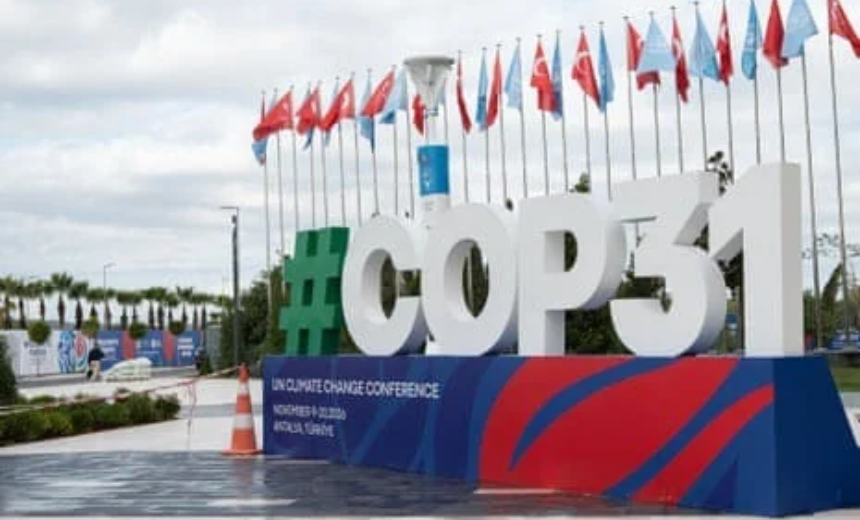
At the COP31 side event at the Nigerian Pavilion, with the theme “Just transition: Unlocking Nigeria’s Solar Opportunities,” stakeholders argued that the country is sitting on a massive economic opportunity – one that goes far beyond rooftops and mini-grids.
The event was organised by the Office of the Special Assistant to the President on Climate Change Matters in partnership with the Global Initiative for Food Security and Ecosystems Preservation, GIFSEP, and Solar Power Nigeria.
The experts including GIFSEP Executive Director, Dr. Michael Terungwa, say harnessing Nigeria’s raw minerals could spark a local manufacturing boom, create thousands of jobs, and turn the country into West Africa’s clean-energy hub.
From lithium for batteries and copper for wiring, to aluminium for frames and iron ore for mounting racks – Nigeria already has the raw materials to build the entire solar supply chain.
MUST READ: Nigeria Records 17% Drop In Maternal Deaths
Across West Africa, roughly 185 million people still live without electricity – a massive regional demand waiting for affordable, locally made solutions.
The pressing question in the room was why keep importing finished technology when the building blocks are right beneath our feet?
For the Nigerian Government, Special Assistant to the President on Climate Change Matters, Yusuf Kelani says, closing the country’s electricity gap remains a top priority as efforts are underway to expand alternative power for homes and businesses while keeping quality panels affordable.
The stakes are high. The International Finance Corporation estimates Nigeria holds up to $8.5 billion in viable solar investment opportunities by 2030.
For a country hungry for reliable power and economic growth, the sun is shining on an opportunity it can no longer afford to waste.
(Follow AIT News on WhatsApp, AfricaIndependentTV on YouTube, ait_online on Facebook and X (Formerly Twitter), and officialait on TikTok, Instagram and Threads)
(Editor: Terverr Tyav)