

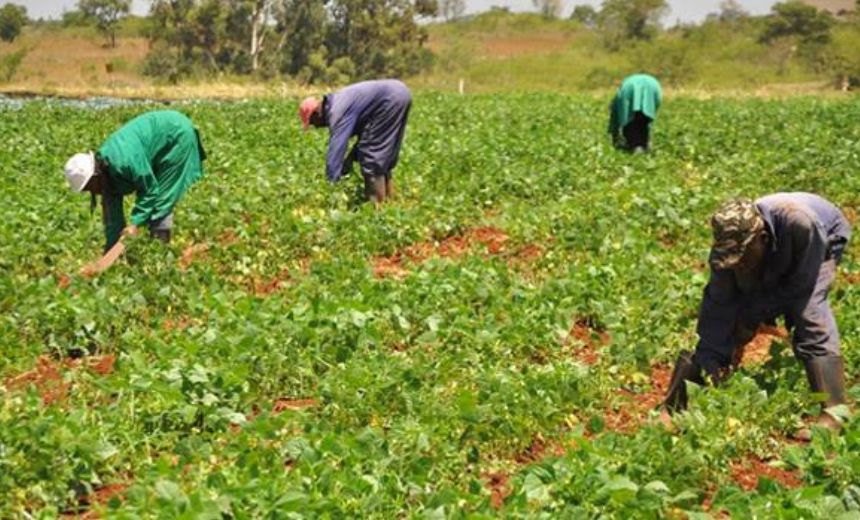
Food sovereignty advocates are urging a shift to sustainable farming practices as a solution to Nigeria’s declining food productivity.
At a farmers’ training in Abuja on non-synthetic farming methods, they say empowering communities to grow healthy, locally-produced food is key to achieving lasting food security.
For many Nigerian farmers, the struggle is no longer just about producing enough food. It is about growing food that is healthy, affordable and sustainable for future generations.
That is the idea behind food sovereignty…giving communities the right to decide what they grow, how they grow it, and what ends up on their tables.
Participants at this training in Abuja are learning agroecological farming techniques that reduce dependence on synthetic chemicals while protecting soil health and preserving indigenous crop varieties.
The programme, organised by the Health of Mother Earth Foundation (HOMEF) in collaboration with the Be The Help Foundation, seeks to equip farmers with practical skills that can improve yields without harming the environment.
For the farmers taking part, the training represents more than a new farming method. It offers hope for healthier harvests, lower production costs, and greater control over their livelihoods.
As concerns over food prices and climate change continue to grow, advocates believe investing in agroecology and empowering smallholder farmers will be crucial to building a resilient and sustainable food system for Nigeria.
(Follow AIT News on WhatsApp, AfricaIndependentTV on YouTube, ait_online on Facebook and X (Formerly Twitter), and officialait on TikTok, Instagram and Threads)
Editor: Roluke Ogundele