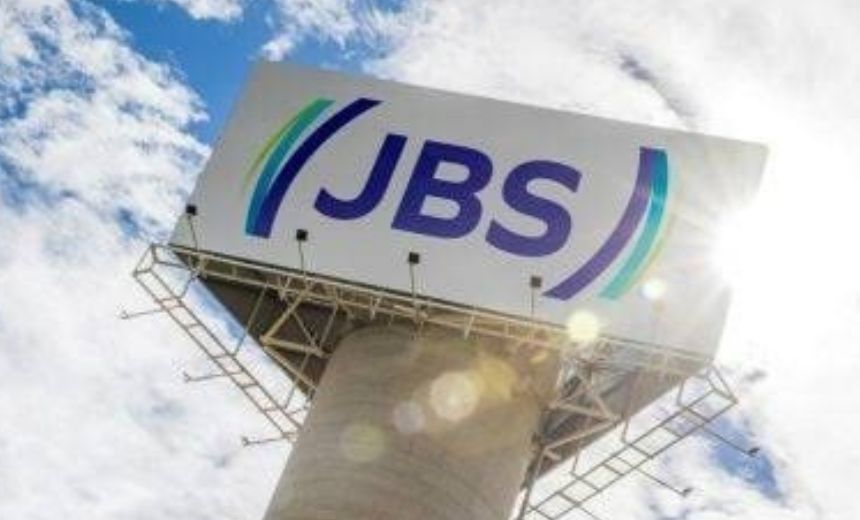
Nigeria’s proposed 2.5-billion-dollar investment by Brazilian meat-processing giant JBS is raising concerns over the future of local farmers, environmental protection, and the country’s food system.
At a stakeholders’ workshop in Calabar, environmental and agricultural rights advocates examined the implications of expanding industrial animal farming and called for transparency and stronger regulatory safeguards.
A five-year, 2.5-billion-dollar investment proposed by Brazilian multinational JBS S.A. is expected to introduce large-scale industrial animal farming and meat processing into Nigeria.
The proposed project, under a Memorandum of Understanding with the Federal Government, involves six facilities: three poultry, two beef, and one pork processing plants.
Niger State has been identified as a proposed land provider, although the specific locations of all six facilities remain unclear.
But beyond the financial value, questions are being raised about the terms of the agreement, the environmental implications, and how the investment could affect existing food producers.
These concerns formed the focus of a stakeholders’ workshop in Calabar, where environmental and agricultural rights advocates examined the potential consequences of large-scale industrial animal farming for Nigeria.
For communities that depend on agriculture, the concerns extend to access to land, control of natural resources, and the survival of small-scale farming.
Stakeholders warn that without proper consultation and safeguards, large-scale industrial farming could expose rural communities to land disputes and put local food producers at a competitive disadvantage.
The stakeholders are calling for the disclosure of the investment agreement, independent impact assessments, stronger regulatory oversight, and meaningful participation by affected communities.
The challenge before government is how to attract large-scale investment while protecting local farmers, the environment, and Nigeria’s long-term food security.
(Follow AIT News on WhatsApp, AfricaIndependentTV on YouTube, ait_online on Facebook and X (Formerly Twitter), and officialait on TikTok, Instagram and Threads)
(Editor: Ebuwa Omo-Osagie)