

With rising food prices, climate change, declining soil fertility and growing food insecurity putting pressure on Nigeria’s agricultural sector, stakeholders are calling for increased investment in agroecology as a pathway towards a more sustainable and resilient food system.
At a stakeholders’ workshop in Abuja, participants are examining evidence, policy pathways and public financing mechanisms needed to support farmers in adopting environmentally friendly agricultural practices.
For Nigeria, the challenge of food production goes beyond increasing yields. Experts say the country must also address the environmental consequences of agricultural practices, protect biodiversity, strengthen farmers’ livelihoods and build resilience against climate shocks.
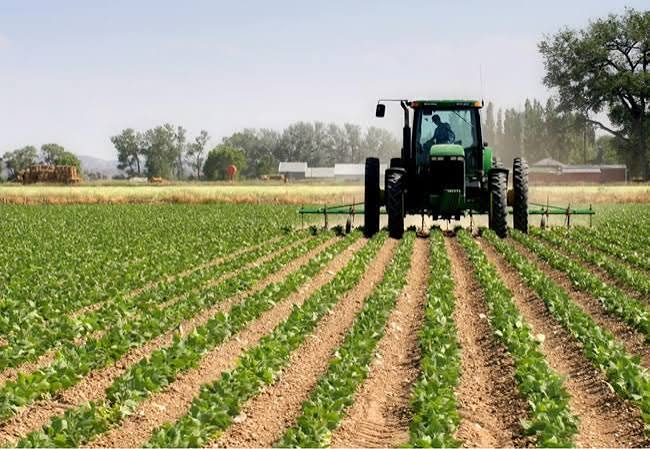
Agroecology, which promotes sustainable farming practices while integrating ecological principles with local knowledge, is increasingly being considered as part of the solution.
This stakeholders’ workshop, themed “Transforming the Nigerian Food System through Agroecology: Evidence, Policy Pathways and Public Financing,” brings together policymakers, researchers, development partners, farmers and civil society organisations to explore how agroecology can contribute to Nigeria’s food security objectives.
Participants say small-scale farmers, who are increasingly vulnerable to climate change, soil degradation, rising production costs and other environmental pressures, require stronger institutional and financial support to transition to more sustainable farming systems.
Beyond policy discussions, the workshop is also drawing lessons from practical farming experiences. The expectation is that the discussions will translate into concrete policy actions and financing commitments capable of supporting farmers, protecting the environment and building a food system that is resilient, inclusive and sustainable.
(Follow AIT News on WhatsApp, AfricaIndependentTV on YouTube, ait_online on Facebook and X (Formerly Twitter), and officialait on TikTok, Instagram and Threads)
Editor: Ada Ononye