

Nigerian Government has defended its proposed $21.7 billion external financing plan submitted to the National Assembly, insisting that the funds are intended for infrastructure development, economic growth and improved living standards.
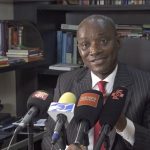
Minister of Finance and Coordinating Minister of the Economy, Taiwo Oyedele gave the explanation after Wednesday’s Executive Council of the Federation meeting chaired by President Bola Tinubu in Abuja.
He described the proposal as a medium-term investment plan rather than an indication that the entire amount has already been borrowed.
The Minister said the proposed financing would cover an average project implementation period of five years, with approximately $10.6 billion earmarked for transportation infrastructure, including the Sokoto-Badagry and Lagos-Calabar highways and the Kano-Kaduna metro rail.
Other priority sectors include defence and security, health, agriculture, energy, digital infrastructure, support for micro, small and medium-sized enterprises, social protection, the environment and education.
Defending the proposal, the Minister said the focus should be on what the borrowed funds would create for the country. “This is a plan. It doesn’t mean that we have borrowed; it doesn’t even mean that we borrow all of it.”
He said approximately $7.9 billion was expected from multilateral and bilateral development partners, including $5 dollars from the World Bank.
According to the Minister, concessional financing for social-sector investments would attract average interest rates of about 2%, while the indicative average rate for commercial components was 7.8%.
He also disclosed that approximately $4.8 billion of the proposed financing was earmarked for state governments and the Federal Capital Territory.
The Minister argued that borrowing could be justified where it creates assets and economic value greater than the cost of financing. “To the extent that you borrow one naira to create a value of more than one naira, you should please borrow more.”
Beyond the financing plan, the Minister presented the government’s assessment of the economy, saying inflation fell to 14.63% in September 2026, compared with 20.98% a year earlier.
He put Nigeria’s gross external reserves at more than $55 billion, with net reserves exceeding $45 billion, and said the country’s economic growth rate had risen from 2.74% when the reforms began in May 2023 to 4.23% in the second quarter of 2026.
MUST READ:Over 2,000 staff of tertiary schools get N30.7bn FG loans
The Minister acknowledged that food prices remained high, despite the easing of inflationary pressure, and said Council had resolved to intensify efforts to stabilise and reduce the cost of food.
“Our priorities must be that we focus on bringing inflation to a single digit by the end of 2027 or before then, and that we need to ensure that we raise the standard of living.”
He also highlighted government interventions, including ₦372.6 billion disbursed through the Nigerian Education Loan Fund, NELFUND to more than 1.5 million students, alongside cash transfers worth over ₦600 billion to more than 10 million households.
The Minister said more than 800,000 micro, small and medium-sized enterprises had also benefited from subsidised, single-digit-interest loans.
The government says the proposed financing will support long-term infrastructure and human development, while pledging to maintain fiscal discipline and pursue lower inflation.
(Follow AIT News on WhatsApp, AfricaIndependentTV on YouTube, ait_online on Facebook and X (Formerly Twitter), and officialait on TikTok, Instagram and Threads)
(Editor: Terverr Tyav)